


Village Staraya Ladoga
Leningrad oblast
since September 11, 2021, 43 points
A Brief History
The village of Staraya Ladoga is recognized as the first capital of Ancient Rus' and is the oldest settlement in northwestern Russia. According to the Tale of Bygone Years, Staraya Ladoga served as the residence of Prince Rurik from 862 to 864. The exact date of felling the logs used to construct one of the buildings has been determined; this find dates back to 753. This year is considered the founding date of Staraya Ladoga. The settlement's historical role was determined by its key location on the vital trade route "From the Varangians to the Greeks." Ladoga was a strategic transit point where Scandinavian traders would winter, exchanging their heavy seagoing vessels for those more suited to river navigation. This activity fostered strong intercultural ties, reflecting the fusion of Scandinavian Viking culture with Slavic customs. Tourists interested in the origins of statehood can trace this process by exploring Varangian burial complexes and ancient Russian Orthodox churches. The heritage of Staraya Ladoga is of federal significance. In 2021, in recognition of its outstanding historical, architectural, and natural heritage, the village was inducted into the Association of the Most Beautiful Villages and Towns of Russia.
Sights and Nature
Staraya Ladoga is located in a picturesque spot on the left bank of the Volkhov River, at the confluence of the Ladozhka River.
A key landmark is the Staraya Ladoga Fortress, a late medieval monument, extensively rebuilt in 1495 to accommodate the development of firearms. The fortress walls reach seven meters in thickness, and their height ranges from seven to twelve meters. Four towers—Klimentovskaya, Vorotnaya, Strelochnaya, and Raskatnaya—were recreated during restoration work. Also within the ancient defensive system, the Zemlyanoy Gorod (Earth City) is accessible to visitors. Among the natural and archaeological sites, the Sopki Tract, a complex of burial mounds along the left bank of the Volkhov River, stands out. The most monumental of these is known as Oleg's Kurgan or "Oleg's Grave," where, according to legend, Oleg the Prophet is buried. Although archaeological evidence points to its ancient Varangian origins, the mound serves as a vital observation point, offering the best panoramic views of the Volkhov River and the fortress.
The village is home to two ancient, active monasteries: the Nikolsky Monastery and the Staraya Ladoga Holy Dormition Convent. Adjacent to the latter is the Dormition Cathedral, built in the 12th century. Also on Malysheva Hill stands the Church of the Nativity of John the Baptist. Varyazhskaya Street, considered the oldest street in Russia, is particularly noteworthy.
Accommodation
The accommodation infrastructure harmoniously blends with the rural character, meeting the standards of the Association of the Most Beautiful Villages of Russia. The prevalence of guest houses and mini-hotels helps preserve the authentic village atmosphere. Independent travelers, especially those traveling by car, can choose from options such as the Ladya Mini-Hotel, the Staroladozhskaya Guest House, and the Strekovets Guest House. Many properties offer kitchen access or self-contained cottages, making them convenient for longer stays and self-sufficiency.
Food
The gastronomy of Staraya Ladoga is integrated into its historical identity. The central dining venue for village guests is the Drevnyaya Ladoga Café. Its menu offers European, traditional Russian, and national cuisine. Lovers of local cuisine can look forward to themed offerings based on ancient Russian recipes and products from the Leningrad Region, especially during major festivals.
Museums
The central cultural heritage site of Staraya Ladoga is the Staroladozhsky Historical, Architectural, and Archaeological Museum-Reserve. The collection of this federal museum contains over 200,000 exhibits. The museum complex includes the Ladoga Fortress and a number of exhibitions. Main exhibitions:
"The Military and Political History of Ladoga."
"Archaeology: From the Neolithic to the Early Middle Ages," which emphasizes that Ladoga is one of the oldest continuously inhabited sites in Northwestern Europe.
"The Churches of St. George and St. Demetrius of Thessaloniki. History, Frescoes."
Inside the fortress is the unique 12th-century Church of St. George, renowned for its ancient frescoes. Access to this church is strictly dependent on weather conditions, ensuring the protection of its priceless cultural heritage.
The museum-reserve, including the P.V. Kalyazin House, is open almost year-round (from September 1 to May 31) from 9:00 AM to 5:00 PM, with only December 31 and January 1 being days off.
Calendar of Events
Old Ladoga is renowned as a venue for large-scale annual historical and cultural events that contribute to the development of regional tourism. The key event is the annual festival "Old Ladoga – the First Capital of Rus'," dedicated to the history of the founding of the ancient Russian state in the 8th–11th centuries. The festival features craft workshops, merchant stalls, and wooden houses, recreated with high historical accuracy. Visitors can immerse themselves in the everyday life of the era, participate in master classes, participate in military duels, and learn about ancient rituals and crafts.
Specialized events are also held, such as the "To the Roots of Rus" tourism festival. These events, for example, can be dedicated to the anniversaries of battles, as was the case in 2024, when the heroic defense of Ladoga from the Swedish troops of 1164 was reenacted. The program includes a reenactment of the fortress siege, military competitions, and active interaction with craft zones.The village of Staraya Ladoga is recognized as the first capital of Ancient Rus' and is the oldest settlement in northwestern Russia. According to the Tale of Bygone Years, Staraya Ladoga served as the residence of Prince Rurik from 862 to 864. The exact date of felling the logs used to construct one of the buildings has been determined; this find dates back to 753. This year is considered the founding date of Staraya Ladoga. The settlement's historical role was determined by its key location on the vital trade route "From the Varangians to the Greeks." Ladoga was a strategic transit point where Scandinavian traders would winter, exchanging their heavy seagoing vessels for those more suited to river navigation. This activity fostered strong intercultural ties, reflecting the fusion of Scandinavian Viking culture with Slavic customs. Tourists interested in the origins of statehood can trace this process by exploring Varangian burial complexes and ancient Russian Orthodox churches. The heritage of Staraya Ladoga is of federal significance. In 2021, in recognition of its outstanding historical, architectural, and natural heritage, the village was inducted into the Association of the Most Beautiful Villages and Towns of Russia.
Sights and Nature
Staraya Ladoga is located in a picturesque spot on the left bank of the Volkhov River, at the confluence of the Ladozhka River.
A key landmark is the Staraya Ladoga Fortress, a late medieval monument, extensively rebuilt in 1495 to accommodate the development of firearms. The fortress walls reach seven meters in thickness, and their height ranges from seven to twelve meters. Four towers—Klimentovskaya, Vorotnaya, Strelochnaya, and Raskatnaya—were recreated during restoration work. Also within the ancient defensive system, the Zemlyanoy Gorod (Earth City) is accessible to visitors. Among the natural and archaeological sites, the Sopki Tract, a complex of burial mounds along the left bank of the Volkhov River, stands out. The most monumental of these is known as Oleg's Kurgan or "Oleg's Grave," where, according to legend, Oleg the Prophet is buried. Although archaeological evidence points to its ancient Varangian origins, the mound serves as a vital observation point, offering the best panoramic views of the Volkhov River and the fortress.
The village is home to two ancient, active monasteries: the Nikolsky Monastery and the Staraya Ladoga Holy Dormition Convent. Adjacent to the latter is the Dormition Cathedral, built in the 12th century. Also on Malysheva Hill stands the Church of the Nativity of John the Baptist. Varyazhskaya Street, considered the oldest street in Russia, is particularly noteworthy.
Accommodation
The accommodation infrastructure harmoniously blends with the rural character, meeting the standards of the Association of the Most Beautiful Villages of Russia. The prevalence of guest houses and mini-hotels helps preserve the authentic village atmosphere. Independent travelers, especially those traveling by car, can choose from options such as the Ladya Mini-Hotel, the Staroladozhskaya Guest House, and the Strekovets Guest House. Many properties offer kitchen access or self-contained cottages, making them convenient for longer stays and self-sufficiency.
Food
The gastronomy of Staraya Ladoga is integrated into its historical identity. The central dining venue for village guests is the Drevnyaya Ladoga Café. Its menu offers European, traditional Russian, and national cuisine. Lovers of local cuisine can look forward to themed offerings based on ancient Russian recipes and products from the Leningrad Region, especially during major festivals.
Museums
The central cultural heritage site of Staraya Ladoga is the Staroladozhsky Historical, Architectural, and Archaeological Museum-Reserve. The collection of this federal museum contains over 200,000 exhibits. The museum complex includes the Ladoga Fortress and a number of exhibitions. Main exhibitions:
"The Military and Political History of Ladoga."
"Archaeology: From the Neolithic to the Early Middle Ages," which emphasizes that Ladoga is one of the oldest continuously inhabited sites in Northwestern Europe.
"The Churches of St. George and St. Demetrius of Thessaloniki. History, Frescoes."
Inside the fortress is the unique 12th-century Church of St. George, renowned for its ancient frescoes. Access to this church is strictly dependent on weather conditions, ensuring the protection of its priceless cultural heritage.
The museum-reserve, including the P.V. Kalyazin House, is open almost year-round (from September 1 to May 31) from 9:00 AM to 5:00 PM, with only December 31 and January 1 being days off.
Calendar of Events
Old Ladoga is renowned as a venue for large-scale annual historical and cultural events that contribute to the development of regional tourism. The key event is the annual festival "Old Ladoga – the First Capital of Rus'," dedicated to the history of the founding of the ancient Russian state in the 8th–11th centuries. The festival features craft workshops, merchant stalls, and wooden houses, recreated with high historical accuracy. Visitors can immerse themselves in the everyday life of the era, participate in master classes, participate in military duels, and learn about ancient rituals and crafts.
How to get there
Traveling by car is the most comfortable and efficient way to reach Staraya Ladoga.
By car: From St. Petersburg, travel along the Murmansk Highway (Route R 21, "Kola"). Estimated travel time is one and a half to two and a half hours. Staraya Ladoga is conveniently located on a route linking ancient centers; the distance to Veliky Novgorod is 195 to 264 kilometers.
By public transport: There are no direct bus services from St. Petersburg. You must first travel to the city of Volkhov, for example, by bus from the Obvodny Canal or by commuter train from the Moskovsky or Ladozhsky railway stations, and then transfer to a local bus.
Useful Information
Staraya Ladoga is one of the most visited settlements in the Leningrad Region due to its unique historical status.
The village's special status was officially recognized on September 13, 2021, when Staraya Ladoga joined the Association of the Most Beautiful Villages and Towns of Russia. As the first capital of Ancient Rus', the village received one "star" from the Association for its outstanding heritage. This status guarantees an authentic tourist experience for independent travelers and lovers of rural life.
Recommendations for visitors:
Be sure to check the opening hours of the active monasteries (Nikolsky and Uspensky) in advance, as they are determined by the monastery administration.
Be prepared for the fact that visiting the ancient 12th-century Church of St. George in the fortress may be limited due to adverse weather conditions. Priority is given to protecting the priceless frescoes from the elements.
Some historical sites, such as estates or streets, may be temporarily closed to visitors due to active restoration and conservation work. A visit to Staraya Ladoga is not only a sightseeing experience but also a way to support efforts to preserve its rich heritage.
Staraya Ladoga is like an ancient chest that, when opened, allows you to touch the sources of the great river of Russian history, which flowed through a key trading crossroads of cultures and civilizations.
http://www.ladogamuseum.ru/
Map of villages
News
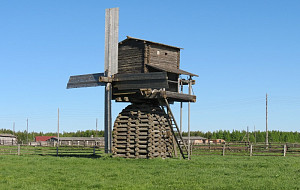
The expedition to Arkhangelsk region and inauguration of Kimzha
The most beautiful village in the Arctic
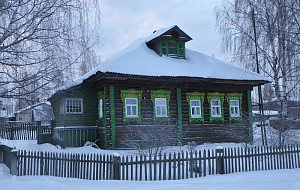
in search of the most beautiful villages
Working visit to Kostroma region
the most beautiful villages of Russia welcome tourists!
About situation in Kinerma
Subscribe to the news of beautiful villages:
Enter your email

123592, Moscow, Marshal Katukov, 20
Tel .: +7 (499) 977-8801
Tel.: +7 (495) 942-7534
E-mail: info@krasaderevni.ru
Tel .: +7 (499) 977-8801
Tel.: +7 (495) 942-7534
E-mail: info@krasaderevni.ru
0 Reviews