
Village Kukoboy
Yaroslavl Oblast
since June 27, 2026, 44 points
Brief History
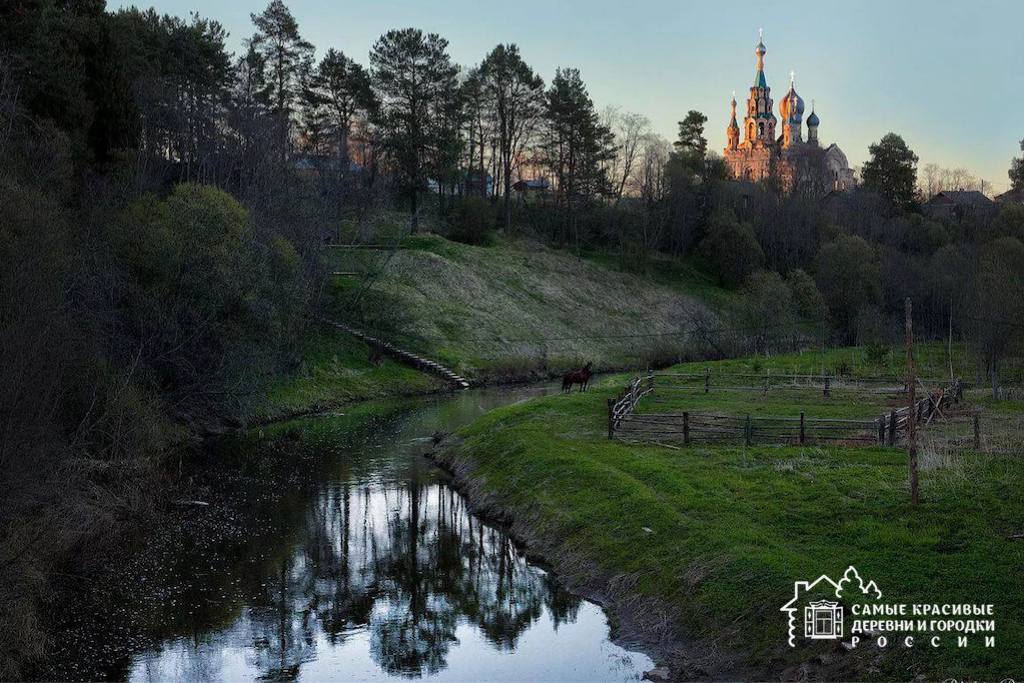
Kukoboy is an old village in the Pervomaysky District of Yaroslavl Oblast, situated on the Ukhtoma River in the northern part of the region, near the border with Vologda Oblast. The village is included in the list of historical settlements of regional significance; in 2025, its protected features and special urban planning regulations were officially approved to preserve traditional architecture and the local skyline.
The first known written mention of Kukoboy dates back to 1526, when it appeared in a deed of sale by Ivan Kemsky regarding estates in the Poshekhonye region. By the 16th–17th centuries, the village was already a notable point within the system of votchinas and rural parishes of the Upper Volga area, developing based on river routes along the Ukhtoma and forest crafts typical for the northern districts of Yaroslavl Region.
In the 19th century, Kukoboy experienced significant growth. A stone church existed here by 1859, and the first school opened in 1885, initially housed in a peasant hut. Later, a new large two-story school building was erected in the center of the village, making Kukoboy an important spiritual and educational center of the uyezd by the early 20th century.
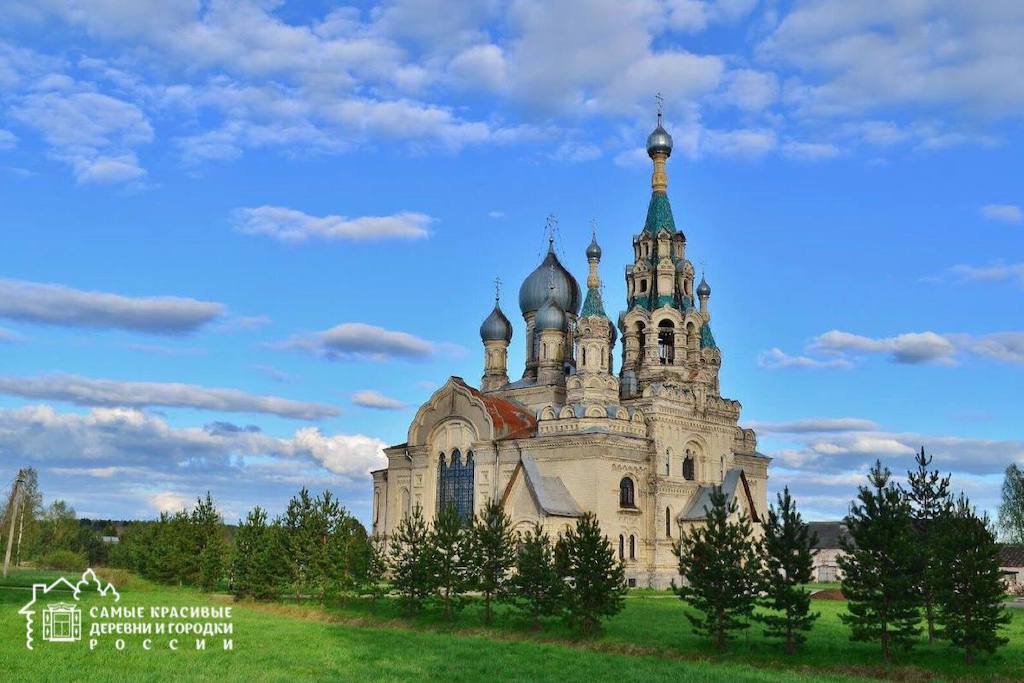
Between 1909 and 1912, the Spassky Cathedral (Cathedral of the Savior Not Made by Hands) was constructed at the expense of merchant Ivan Agapovich Voronin according to the design of renowned architect Vasily Kosyakov. It became the architectural dominant feature and symbol of the village. During the Soviet period, the temple was closed, used as a warehouse and even a place of confinement in the basements; murals and iconostasis perished, but by the end of the 20th century, religious life began to return, followed by gradual restoration.
From 1929 to 1971, Kukoboy served as the administrative center of the Pervomaysky District, ensuring the development of administrative and cultural infrastructure. In the late 20th and early 21st centuries, amid depopulation trends common to northern villages, cultural and family tourism combining Orthodox heritage, pre-revolutionary schools, Soviet history, and folklore themes became a vital resource for the settlement.
Attractions and Nature
Kukoboy lies in the zone of northern mixed forests. The surroundings consist of alternating woodlands, copses, fields, and low hills, with generally soft, gently rolling terrain. The Ukhtoma River gives the landscape a distinct character. Its banks retain floodplain meadows, oxbow lakes, and small springs.
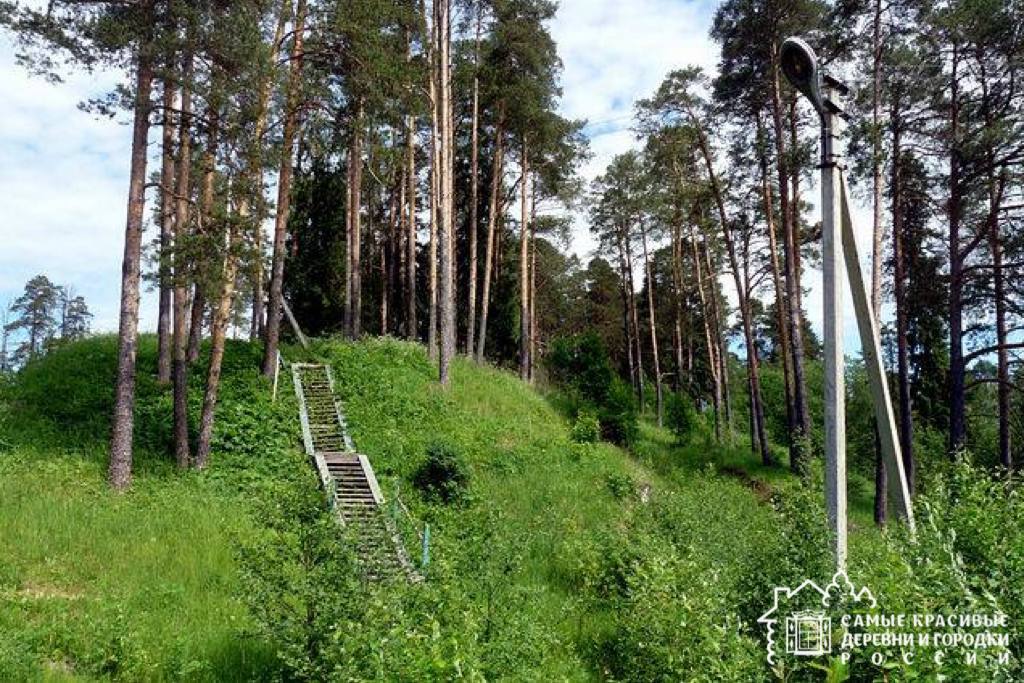
Local lore describes the village as standing on seven springs. One spring is conveniently located for both residents and visitors in a small pine park. The water has long been valued locally, serving as a pleasant spot for travelers to take a short walk and rest in the shade of pines.
Forests around Kukoboy are considered good spots for mushroom and berry picking. In warm seasons, one can gather blueberries, lingonberries, cranberries in bogs, as well as porcini (Boletus edulis), birch boletes (Leccinum scabrum), and other wild mushrooms. Many trips to Kukoboy combine cultural programs with walks along forest roads and quiet hunting.
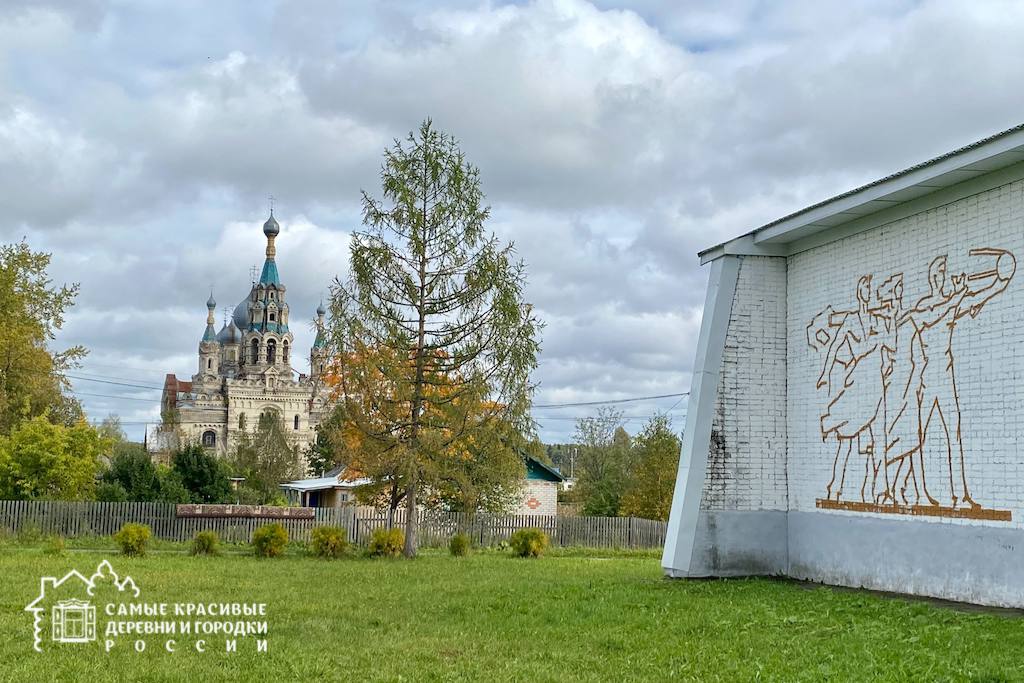
The main architectural and spiritual landmark is the Spassky Cathedral, built between 1909 and 1912 by project designer V.A. Kosyakov funded by merchant I.A. Voronin. The church belongs to the Neo-Russian style, distinguished by its large volume, complex composition, expressive silhouette, and rich facade decoration. After being closed during the Soviet era, the cathedral fell into disrepair for a long time; currently, restoration work continues.
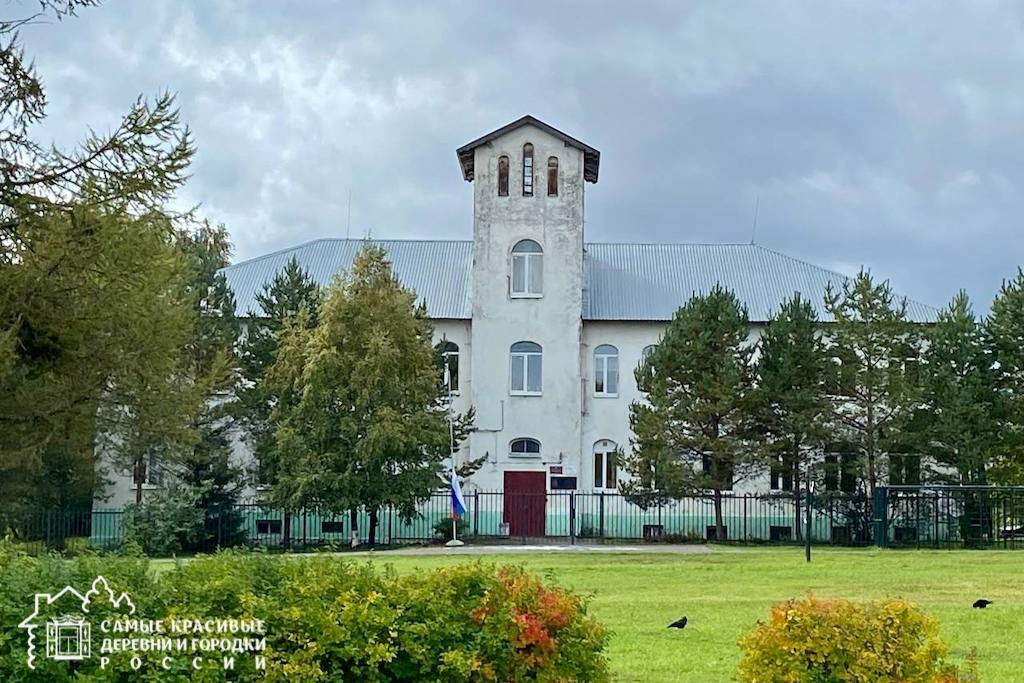
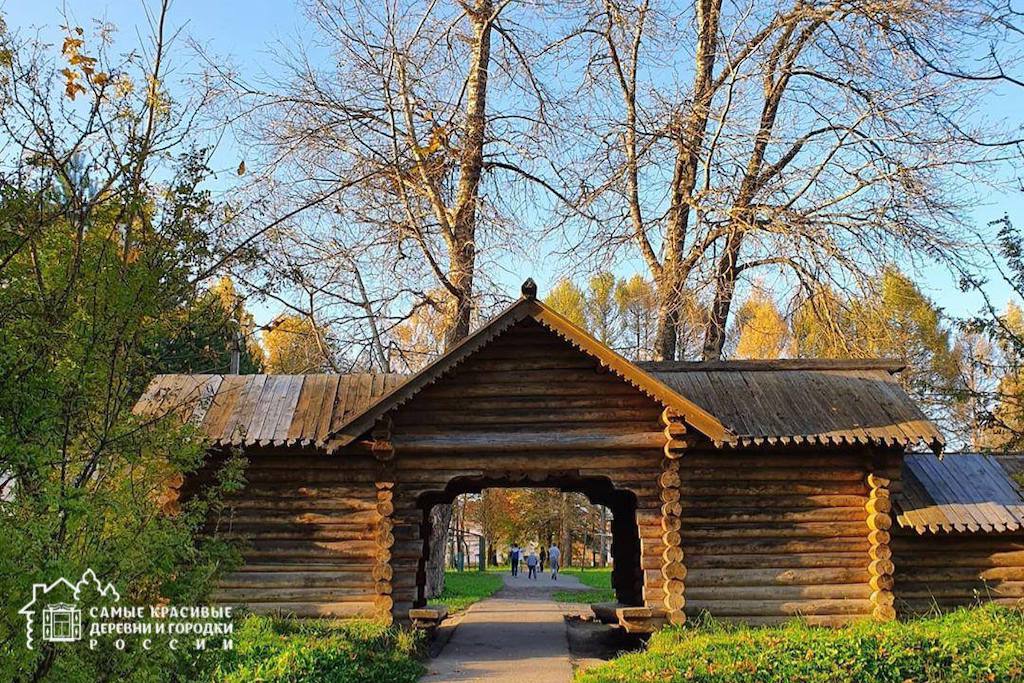
The historic core of Kukoboy forms around the connection of the cathedral, the school, and old rural housing stock. Following the establishment of the first school in 1885 in a peasant hut, a new stone school was built in the village center just a year later. By the early 20th century, it operated as one of the most significant educational institutions in the uyezd. The early 20th-century stone school building stands out for its scale and architecture, symbolizing the arrival of modern times in the countryside.
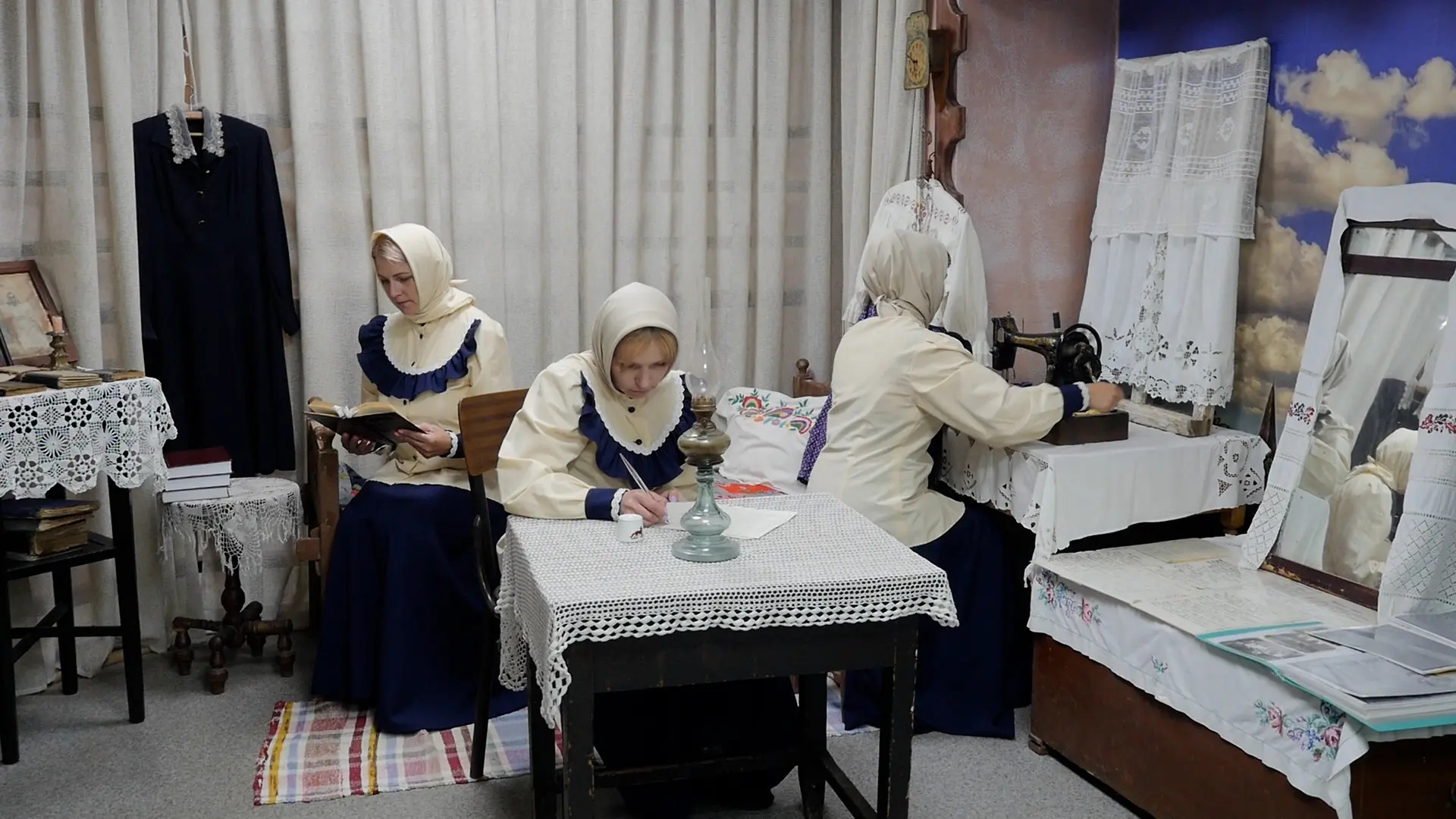
A specific place in Kukoboy's cultural landscape is occupied by the memory of a female Orthodox community in the form of an agricultural commune active nearby in the 1920s, in the village of Zakharievo. In 1921, a female labor artel was established there, later becoming the Krupskaya Commune, primarily composed of priests' daughters and religious women. In Kukoboy, this theme received museum representation through a dedicated exhibition devoted to the women's community and its participants.
Another notable point is the Kukoboy House of Culture. This is a characteristic example of late Soviet functional architecture, commissioned in 1969. The simple, rational building with minimal decor remains an active venue for the village's cultural life, creating an interesting contrast with the pre-revolutionary stone core of Kukoboy.
Accommodation
Infrastructure in Kukoboy is modest and corresponds to the scale of a northern Russian village. There are no chain hotels or large hotel complexes. The basis consists of private guest houses, farms, and rural hospitality options, sometimes linked to tourist programs.
Such facilities usually offer basic amenities: warm rooms, home-cooked meals, occasionally a banya (sauna), and opportunities to participate in farm activities, walks, familiarization with household management, and tasting homemade preserves. Accommodation is designed primarily for families and small groups visiting for one or several days.
Some tour operators build day-trip itineraries to Kukoboy without overnight stays, departing early morning and returning in the evening. In such cases, tourists use Yaroslavl, Vologda, or other regional centers as their base cities. If you wish to stay longer, it is better to look for a guest house or another private accommodation option in advance.
Dining
There are no restaurants or cafes in Kukoboy. Dining revolves around home cooking, small rural outlets, and tea parties/lunches included in program packages. For many organized tours, either a full lunch hosted by locals in the village or a light snack combined with a tea party integrated into the cultural program is provided.
Small shops oriented toward local residents operate in the village, selling basic groceries. Assortment is usually limited to standard rural store items; therefore, everything related to special gastronomic requests should be planned in advance.
Rural hosts often offer home-style cuisine to tourists. This may include shchi, borscht, kasha, roasts, pies with potatoes, cabbage, berries, and mushrooms, as well as seasonal pickles and jams. For lovers of local gastronomy, dishes from the oven, wild mushrooms, berries, and homemade preserves are particularly interesting.
Tea-drinking sessions are often a separate part of the program. These involve tea from a samovar, pies, rural pastries, sometimes honey and jam. Such formats are perceived as a continuation of the cultural program and an essential element of experiencing rural hospitality.
Museums
Kukoboy's museums are small in scale but fit well into the context of the village, focusing on a combination of local history and folklore. Their value lies not in the wealth of collections but in their ability to show rural life across different eras through specific fates and objects.
The School Museum, located in the historic school building, collects materials about the village's life, history of education, prominent teachers and graduates, as well as pre-revolutionary and Soviet periods. Visitors can see photographs, old textbooks, documents, and everyday school items.
A separate updated exposition is dedicated to the women's community and commune of the 1920s associated with Zakharievo village. Through the lives of participants, documents, and oral testimonies, it shows how the traditional religious way of life attempted to adapt to new Soviet forms of collective life and labor.
Event Calendar
Christmas Theatrical Concert "We Glorify Christmas!": Annually on January 7.
Easter Theatrical Concert "Paschal Joy": Annually on Easter Sunday.
Village Day "Happy Birthday, Kukoboy!": Annually on the last Saturday of June.
Orthodox Song Festival "Light of Goodness": Annually on the first Sunday of October.
The event calendar in Kukoboy largely depends on seasonality, rural holidays, and visitor programs. The busiest period is typically the warm season, from late spring to early autumn, when travel is easier and cultural programs can be combined with forest walks.
Part of the events are traditional rural festivals held at the House of Culture and open-air venues — concerts, calendar holidays, children's matinees, and themed evenings. For travelers, this is a good opportunity to see how the rural club remains the center of public life.
Additionally, a tourist calendar is forming around Kukoboy. Tour operators offer excursions timed for Maslenitsa, summer vacations, autumn fairs, and sometimes Orthodox holidays at the Spassky Cathedral. Specific dates depend on the year and should be clarified beforehand.
For independent travelers, a weekend trip with an overnight stay or early departure is optimal, especially in summer and early autumn. To experience high event density, choose major holiday dates; for silence, weekdays during the off-season are suitable.
How to Get There
Kukoboy is located approximately 160–180 km north of Yaroslavl, away from major highway networks. Key reference points include Yaroslavl, Rybinsk, and Poshekhonye in Yaroslavl Oblast, as well as Vologda in the neighboring region.
The most convenient method is by car. From Yaroslavl, one can drive towards Vologda on the M8 highway, then turn via Prechistoye and further through villages to Kukoboy, or go via Rybinsk, Poshekhonye, and Semyonovskoye. Travel time under normal conditions is about 2.5–3 hours, though extra buffer time is advisable.
A scheduled bus runs from Yaroslavl to Kukoboy (+ number, schedule), operating non-daily (e.g., only on Fridays). Travel time is about 5 hours. This option is convenient if an overnight stay is planned. A significant portion of guests arrive as part of organized groups on tour buses, departing in the morning and returning in the evening.
Public transport, besides rare flights, is poorly developed. For travelers without cars, it is reasonable to reach Yaroslavl, Rybinsk, Vologda, or Poshekhonye first, then join an organized tour or rent a car.
Useful Information
Kukoboy's climate is typical for the northern part of Yaroslavl Oblast: cold snowy winters, prolonged springs, short but quite warm summers, and wet autumns. Considering comfort and transport accessibility, the optimal time to visit is from late May to early October.
The status of a historical settlement imposes restrictions on new construction and reconstruction in the central part of the village, helping to preserve the skyline and character of the buildings. For a visitor, this means that Kukoboy's center will likely remain free of multi-story apartment blocks and large shopping complexes in the foreseeable future.
One must consider the limitations of local infrastructure. Medical aid, auto services, ATMs, and large stores may be tens of kilometers away. Before traveling, check your vehicle's technical condition, carry spare fuel, cash, and a basic first-aid kit.
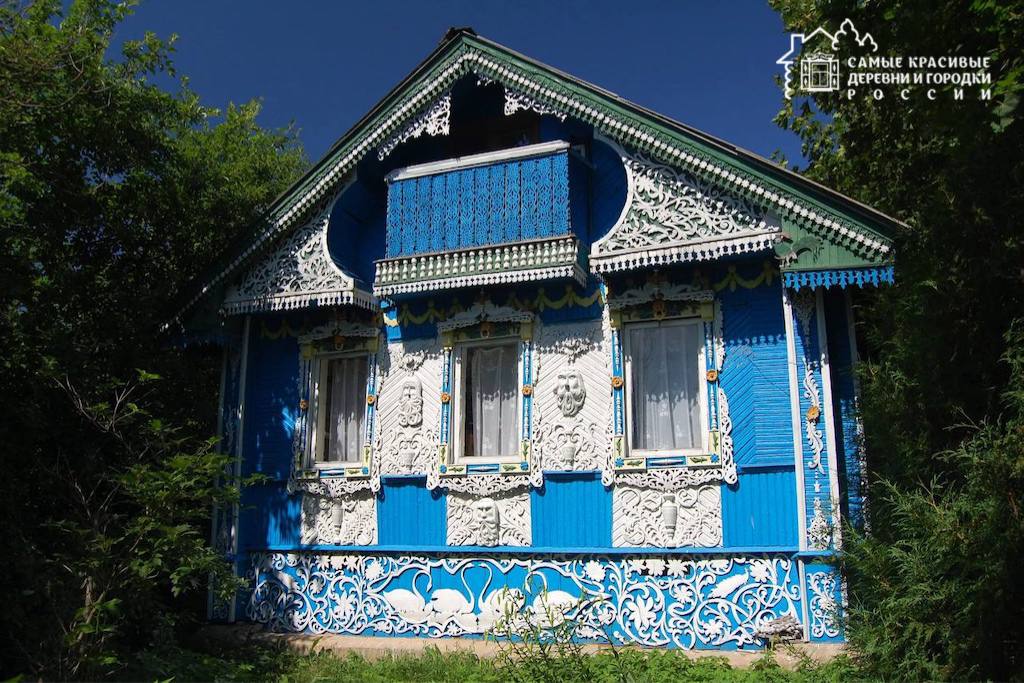
Regarding interaction with locals, remember that Kukoboy is a living village where people run households, work, grow vegetables, and keep livestock. Polite behavior and restraint when photographing private yards usually elicit a positive response.
For lovers of rural culture and heritage, Kukoboy is interesting as a multilayered space where a pre-revolutionary cathedral and school coexist with memories of the 1920s female Orthodox community, a late-Soviet House of Culture, and current forms of village life. This makes the village attractive to independent travelers interested in Russia's deep heartland.
Kukoboy is an old village in the Pervomaysky District of Yaroslavl Oblast, situated on the Ukhtoma River in the northern part of the region, near the border with Vologda Oblast. The village is included in the list of historical settlements of regional significance; in 2025, its protected features and special urban planning regulations were officially approved to preserve traditional architecture and the local skyline.
The first known written mention of Kukoboy dates back to 1526, when it appeared in a deed of sale by Ivan Kemsky regarding estates in the Poshekhonye region. By the 16th–17th centuries, the village was already a notable point within the system of votchinas and rural parishes of the Upper Volga area, developing based on river routes along the Ukhtoma and forest crafts typical for the northern districts of Yaroslavl Region.
In the 19th century, Kukoboy experienced significant growth. A stone church existed here by 1859, and the first school opened in 1885, initially housed in a peasant hut. Later, a new large two-story school building was erected in the center of the village, making Kukoboy an important spiritual and educational center of the uyezd by the early 20th century.
Between 1909 and 1912, the Spassky Cathedral (Cathedral of the Savior Not Made by Hands) was constructed at the expense of merchant Ivan Agapovich Voronin according to the design of renowned architect Vasily Kosyakov. It became the architectural dominant feature and symbol of the village. During the Soviet period, the temple was closed, used as a warehouse and even a place of confinement in the basements; murals and iconostasis perished, but by the end of the 20th century, religious life began to return, followed by gradual restoration.
From 1929 to 1971, Kukoboy served as the administrative center of the Pervomaysky District, ensuring the development of administrative and cultural infrastructure. In the late 20th and early 21st centuries, amid depopulation trends common to northern villages, cultural and family tourism combining Orthodox heritage, pre-revolutionary schools, Soviet history, and folklore themes became a vital resource for the settlement.
Attractions and Nature
Kukoboy lies in the zone of northern mixed forests. The surroundings consist of alternating woodlands, copses, fields, and low hills, with generally soft, gently rolling terrain. The Ukhtoma River gives the landscape a distinct character. Its banks retain floodplain meadows, oxbow lakes, and small springs.
Local lore describes the village as standing on seven springs. One spring is conveniently located for both residents and visitors in a small pine park. The water has long been valued locally, serving as a pleasant spot for travelers to take a short walk and rest in the shade of pines.
Forests around Kukoboy are considered good spots for mushroom and berry picking. In warm seasons, one can gather blueberries, lingonberries, cranberries in bogs, as well as porcini (Boletus edulis), birch boletes (Leccinum scabrum), and other wild mushrooms. Many trips to Kukoboy combine cultural programs with walks along forest roads and quiet hunting.
The main architectural and spiritual landmark is the Spassky Cathedral, built between 1909 and 1912 by project designer V.A. Kosyakov funded by merchant I.A. Voronin. The church belongs to the Neo-Russian style, distinguished by its large volume, complex composition, expressive silhouette, and rich facade decoration. After being closed during the Soviet era, the cathedral fell into disrepair for a long time; currently, restoration work continues.
The historic core of Kukoboy forms around the connection of the cathedral, the school, and old rural housing stock. Following the establishment of the first school in 1885 in a peasant hut, a new stone school was built in the village center just a year later. By the early 20th century, it operated as one of the most significant educational institutions in the uyezd. The early 20th-century stone school building stands out for its scale and architecture, symbolizing the arrival of modern times in the countryside.
A specific place in Kukoboy's cultural landscape is occupied by the memory of a female Orthodox community in the form of an agricultural commune active nearby in the 1920s, in the village of Zakharievo. In 1921, a female labor artel was established there, later becoming the Krupskaya Commune, primarily composed of priests' daughters and religious women. In Kukoboy, this theme received museum representation through a dedicated exhibition devoted to the women's community and its participants.
Another notable point is the Kukoboy House of Culture. This is a characteristic example of late Soviet functional architecture, commissioned in 1969. The simple, rational building with minimal decor remains an active venue for the village's cultural life, creating an interesting contrast with the pre-revolutionary stone core of Kukoboy.
Accommodation
Infrastructure in Kukoboy is modest and corresponds to the scale of a northern Russian village. There are no chain hotels or large hotel complexes. The basis consists of private guest houses, farms, and rural hospitality options, sometimes linked to tourist programs.
Such facilities usually offer basic amenities: warm rooms, home-cooked meals, occasionally a banya (sauna), and opportunities to participate in farm activities, walks, familiarization with household management, and tasting homemade preserves. Accommodation is designed primarily for families and small groups visiting for one or several days.
Some tour operators build day-trip itineraries to Kukoboy without overnight stays, departing early morning and returning in the evening. In such cases, tourists use Yaroslavl, Vologda, or other regional centers as their base cities. If you wish to stay longer, it is better to look for a guest house or another private accommodation option in advance.
Dining
There are no restaurants or cafes in Kukoboy. Dining revolves around home cooking, small rural outlets, and tea parties/lunches included in program packages. For many organized tours, either a full lunch hosted by locals in the village or a light snack combined with a tea party integrated into the cultural program is provided.
Small shops oriented toward local residents operate in the village, selling basic groceries. Assortment is usually limited to standard rural store items; therefore, everything related to special gastronomic requests should be planned in advance.
Rural hosts often offer home-style cuisine to tourists. This may include shchi, borscht, kasha, roasts, pies with potatoes, cabbage, berries, and mushrooms, as well as seasonal pickles and jams. For lovers of local gastronomy, dishes from the oven, wild mushrooms, berries, and homemade preserves are particularly interesting.
Tea-drinking sessions are often a separate part of the program. These involve tea from a samovar, pies, rural pastries, sometimes honey and jam. Such formats are perceived as a continuation of the cultural program and an essential element of experiencing rural hospitality.
Museums
Kukoboy's museums are small in scale but fit well into the context of the village, focusing on a combination of local history and folklore. Their value lies not in the wealth of collections but in their ability to show rural life across different eras through specific fates and objects.
The School Museum, located in the historic school building, collects materials about the village's life, history of education, prominent teachers and graduates, as well as pre-revolutionary and Soviet periods. Visitors can see photographs, old textbooks, documents, and everyday school items.
A separate updated exposition is dedicated to the women's community and commune of the 1920s associated with Zakharievo village. Through the lives of participants, documents, and oral testimonies, it shows how the traditional religious way of life attempted to adapt to new Soviet forms of collective life and labor.
Event Calendar
Christmas Theatrical Concert "We Glorify Christmas!": Annually on January 7.
Easter Theatrical Concert "Paschal Joy": Annually on Easter Sunday.
Village Day "Happy Birthday, Kukoboy!": Annually on the last Saturday of June.
Orthodox Song Festival "Light of Goodness": Annually on the first Sunday of October.
The event calendar in Kukoboy largely depends on seasonality, rural holidays, and visitor programs. The busiest period is typically the warm season, from late spring to early autumn, when travel is easier and cultural programs can be combined with forest walks.
Part of the events are traditional rural festivals held at the House of Culture and open-air venues — concerts, calendar holidays, children's matinees, and themed evenings. For travelers, this is a good opportunity to see how the rural club remains the center of public life.
Additionally, a tourist calendar is forming around Kukoboy. Tour operators offer excursions timed for Maslenitsa, summer vacations, autumn fairs, and sometimes Orthodox holidays at the Spassky Cathedral. Specific dates depend on the year and should be clarified beforehand.
For independent travelers, a weekend trip with an overnight stay or early departure is optimal, especially in summer and early autumn. To experience high event density, choose major holiday dates; for silence, weekdays during the off-season are suitable.
How to Get There
Kukoboy is located approximately 160–180 km north of Yaroslavl, away from major highway networks. Key reference points include Yaroslavl, Rybinsk, and Poshekhonye in Yaroslavl Oblast, as well as Vologda in the neighboring region.
The most convenient method is by car. From Yaroslavl, one can drive towards Vologda on the M8 highway, then turn via Prechistoye and further through villages to Kukoboy, or go via Rybinsk, Poshekhonye, and Semyonovskoye. Travel time under normal conditions is about 2.5–3 hours, though extra buffer time is advisable.
A scheduled bus runs from Yaroslavl to Kukoboy (+ number, schedule), operating non-daily (e.g., only on Fridays). Travel time is about 5 hours. This option is convenient if an overnight stay is planned. A significant portion of guests arrive as part of organized groups on tour buses, departing in the morning and returning in the evening.
Public transport, besides rare flights, is poorly developed. For travelers without cars, it is reasonable to reach Yaroslavl, Rybinsk, Vologda, or Poshekhonye first, then join an organized tour or rent a car.
Useful Information
Kukoboy's climate is typical for the northern part of Yaroslavl Oblast: cold snowy winters, prolonged springs, short but quite warm summers, and wet autumns. Considering comfort and transport accessibility, the optimal time to visit is from late May to early October.
The status of a historical settlement imposes restrictions on new construction and reconstruction in the central part of the village, helping to preserve the skyline and character of the buildings. For a visitor, this means that Kukoboy's center will likely remain free of multi-story apartment blocks and large shopping complexes in the foreseeable future.
One must consider the limitations of local infrastructure. Medical aid, auto services, ATMs, and large stores may be tens of kilometers away. Before traveling, check your vehicle's technical condition, carry spare fuel, cash, and a basic first-aid kit.
Regarding interaction with locals, remember that Kukoboy is a living village where people run households, work, grow vegetables, and keep livestock. Polite behavior and restraint when photographing private yards usually elicit a positive response.
For lovers of rural culture and heritage, Kukoboy is interesting as a multilayered space where a pre-revolutionary cathedral and school coexist with memories of the 1920s female Orthodox community, a late-Soviet House of Culture, and current forms of village life. This makes the village attractive to independent travelers interested in Russia's deep heartland.
Map of villages
News
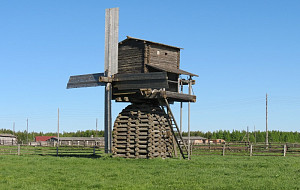
The expedition to Arkhangelsk region and inauguration of Kimzha
The most beautiful village in the Arctic
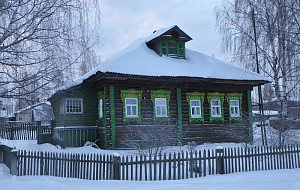
in search of the most beautiful villages
Working visit to Kostroma region
the most beautiful villages of Russia welcome tourists!
About situation in Kinerma
Subscribe to the news of beautiful villages:
Enter your email

123592, Moscow, Marshal Katukov, 20
Tel .: +7 (499) 977-8801
Tel.: +7 (495) 942-7534
E-mail: info@krasaderevni.ru
Tel .: +7 (499) 977-8801
Tel.: +7 (495) 942-7534
E-mail: info@krasaderevni.ru
0 Reviews