


Village Kimzha
Arkhangelsk region
since February 19, 2017, 51 points
Brief History
The first documented mentions of the village of Kimzha date back to the early sixteenth century, when people from the Pinega River basin established a permanent settlement here. Over the centuries, Kimzha developed as an important transit and craft point at the intersection of northern routes. The village became famous as a center of artistic copper casting, where artisans crafted the famous Mezen bells for mail teams and decorative harness elements. A distinctive feature of the local culture for a long time was dual faith and the unique tradition of cherished burials. Until the mid-twentieth century, the deceased were buried not in a common cemetery, but on family plots of land, in accordance with their last will and testament. During the Soviet era, Kimzha became a true treasure trove for folklorists, preserving a wealth of rare bylinas and epic tales.
Sights and Nature
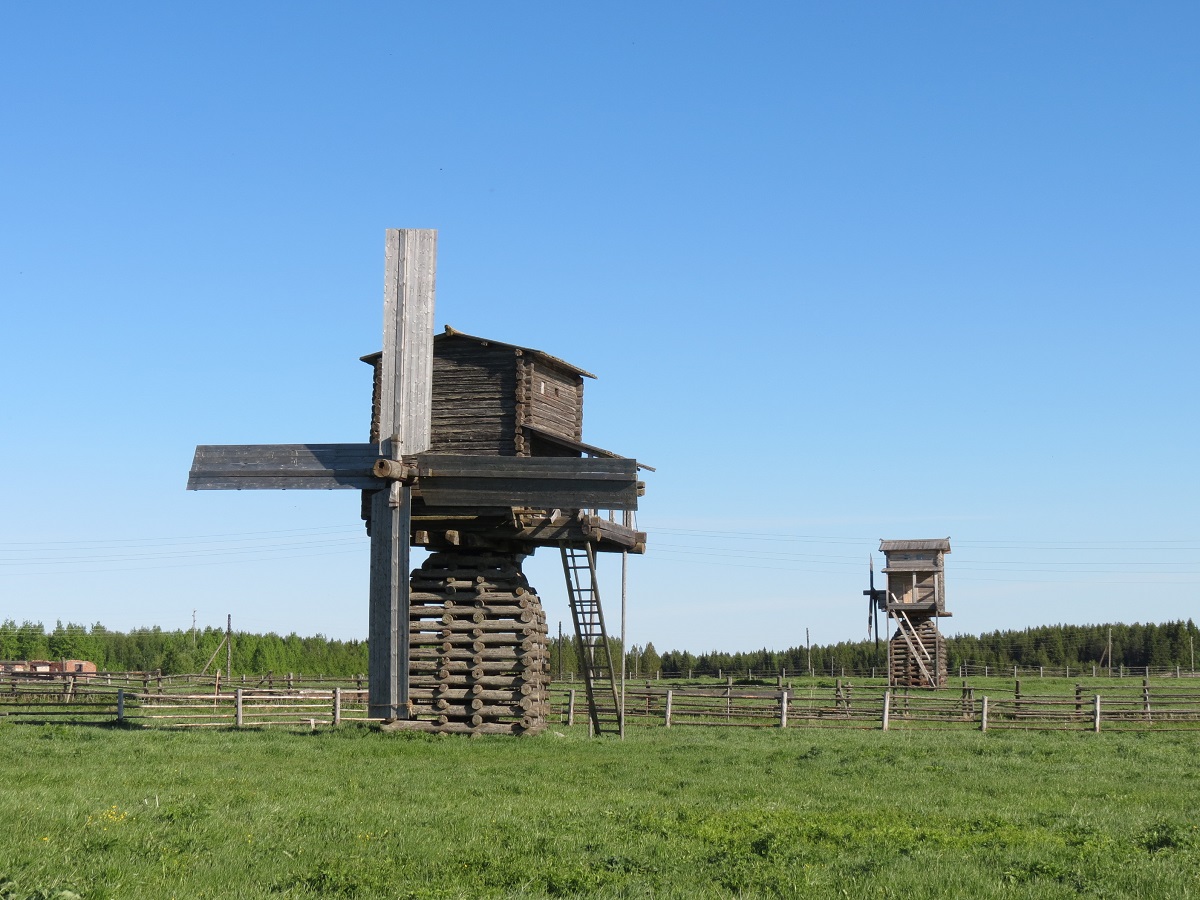
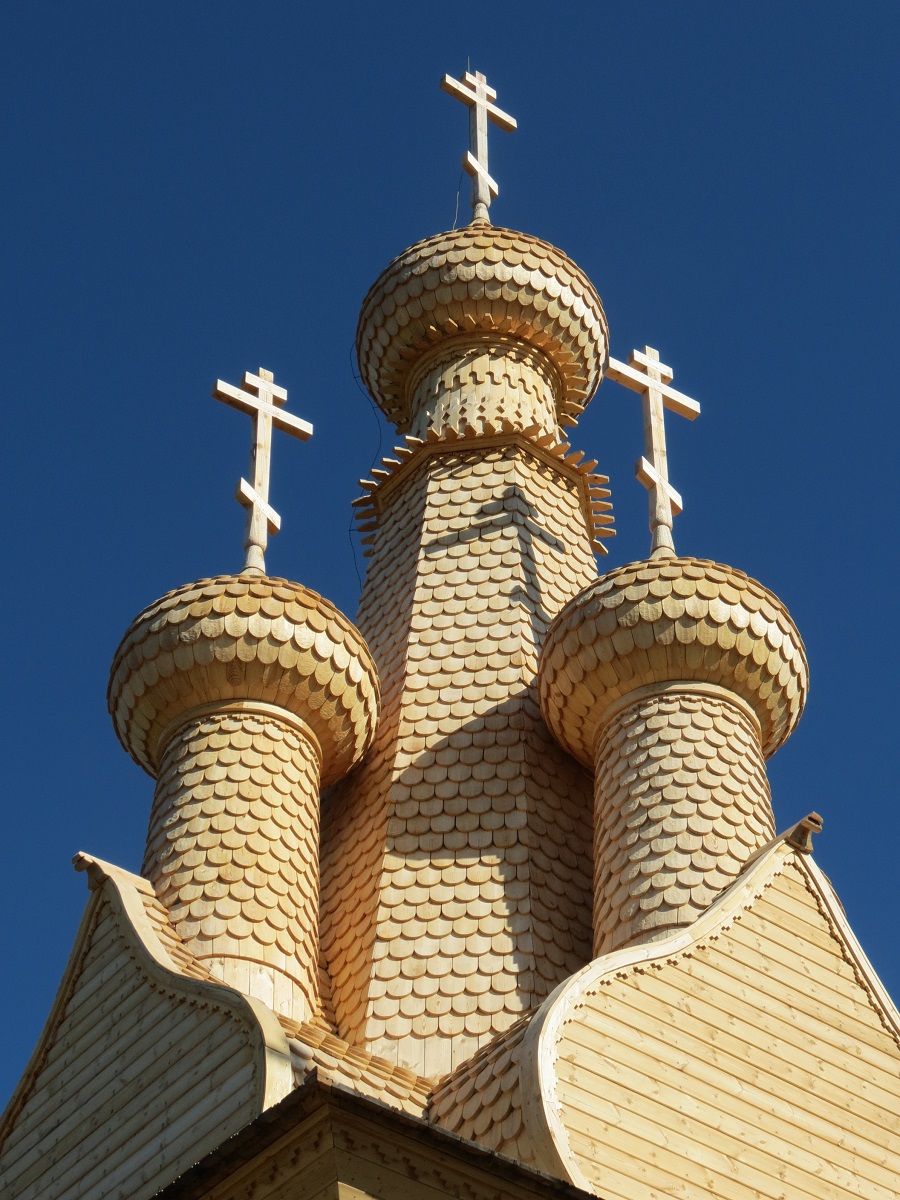
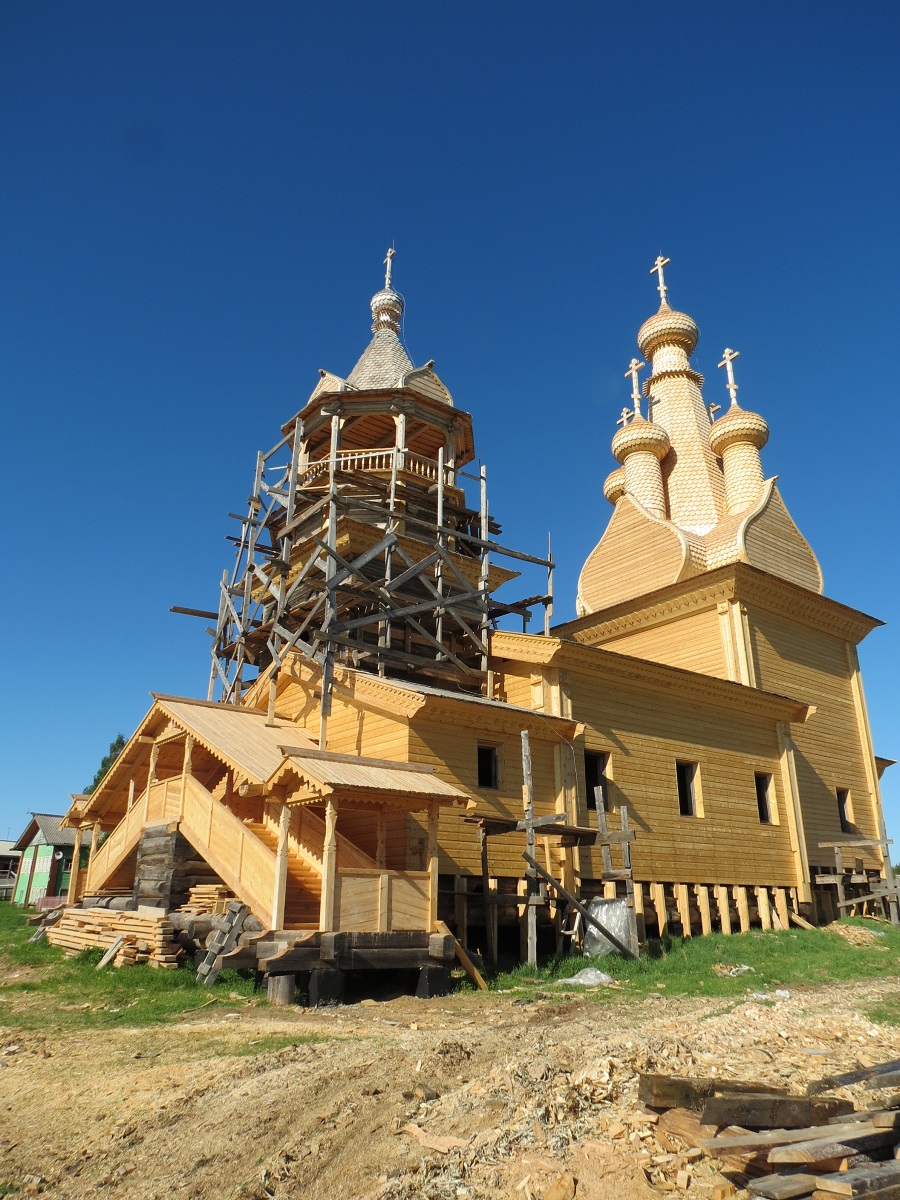
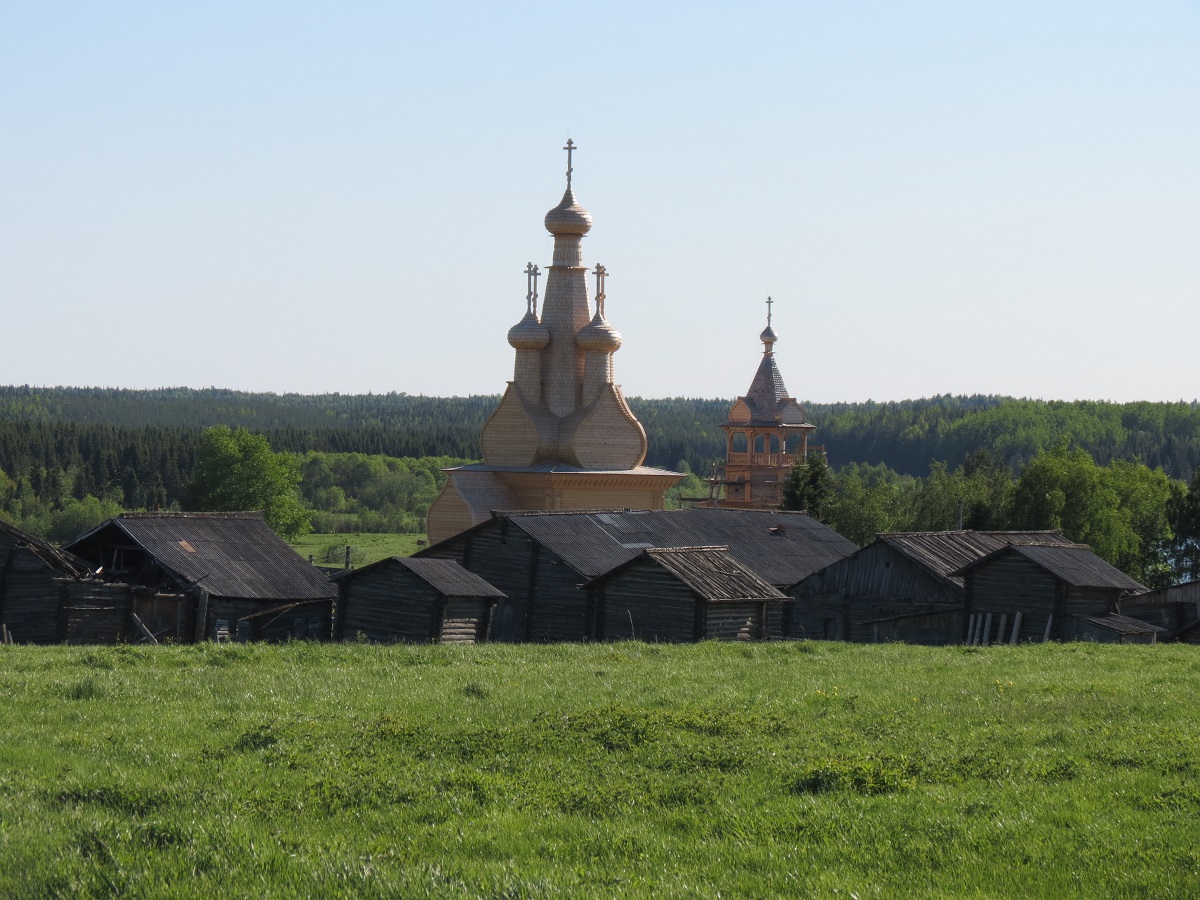
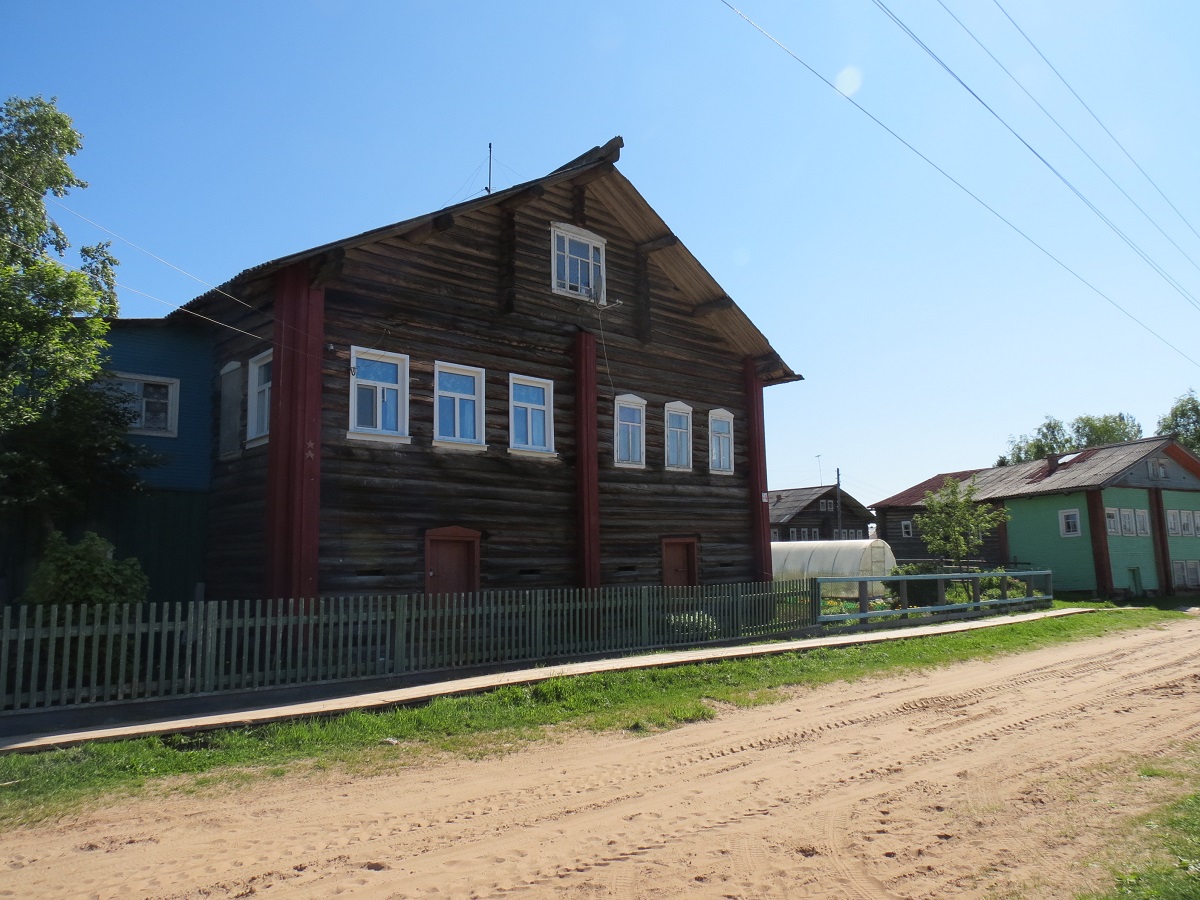
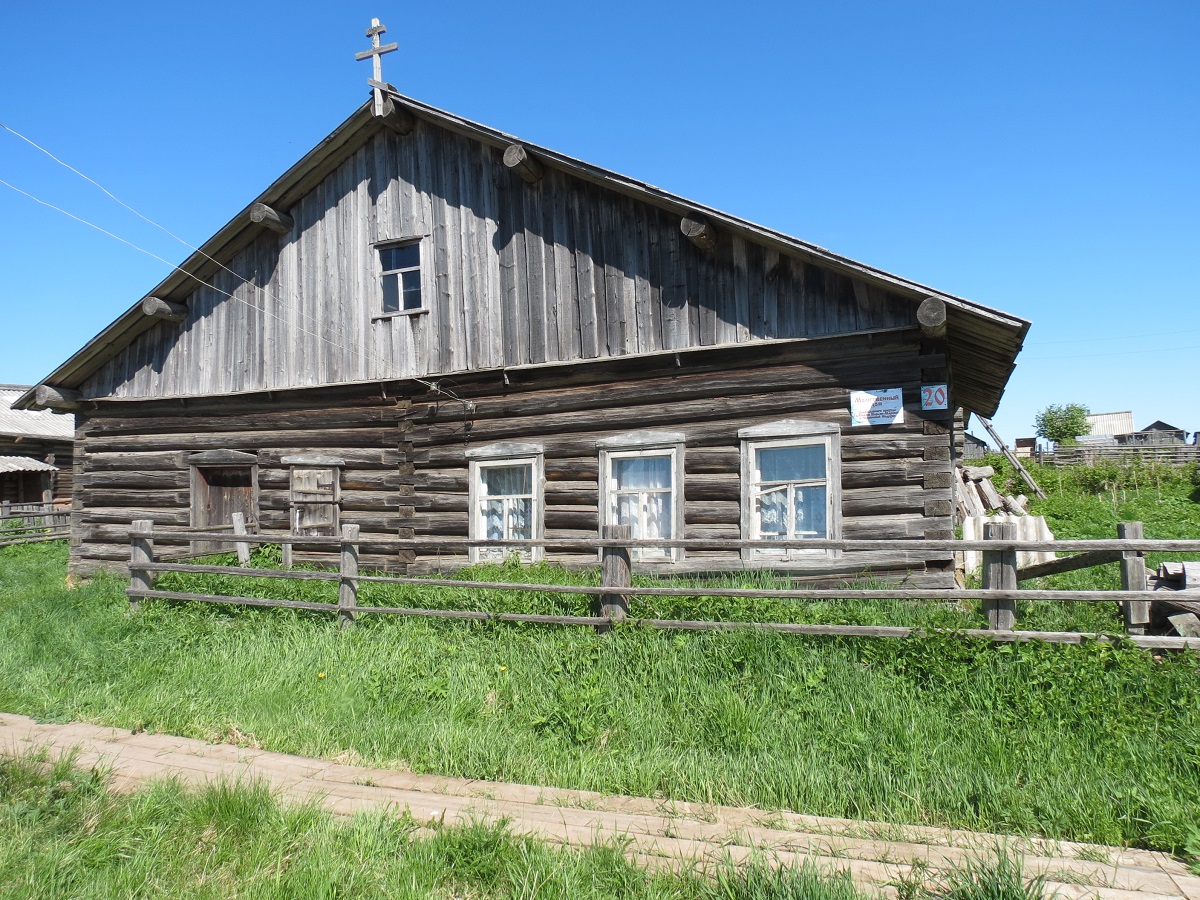
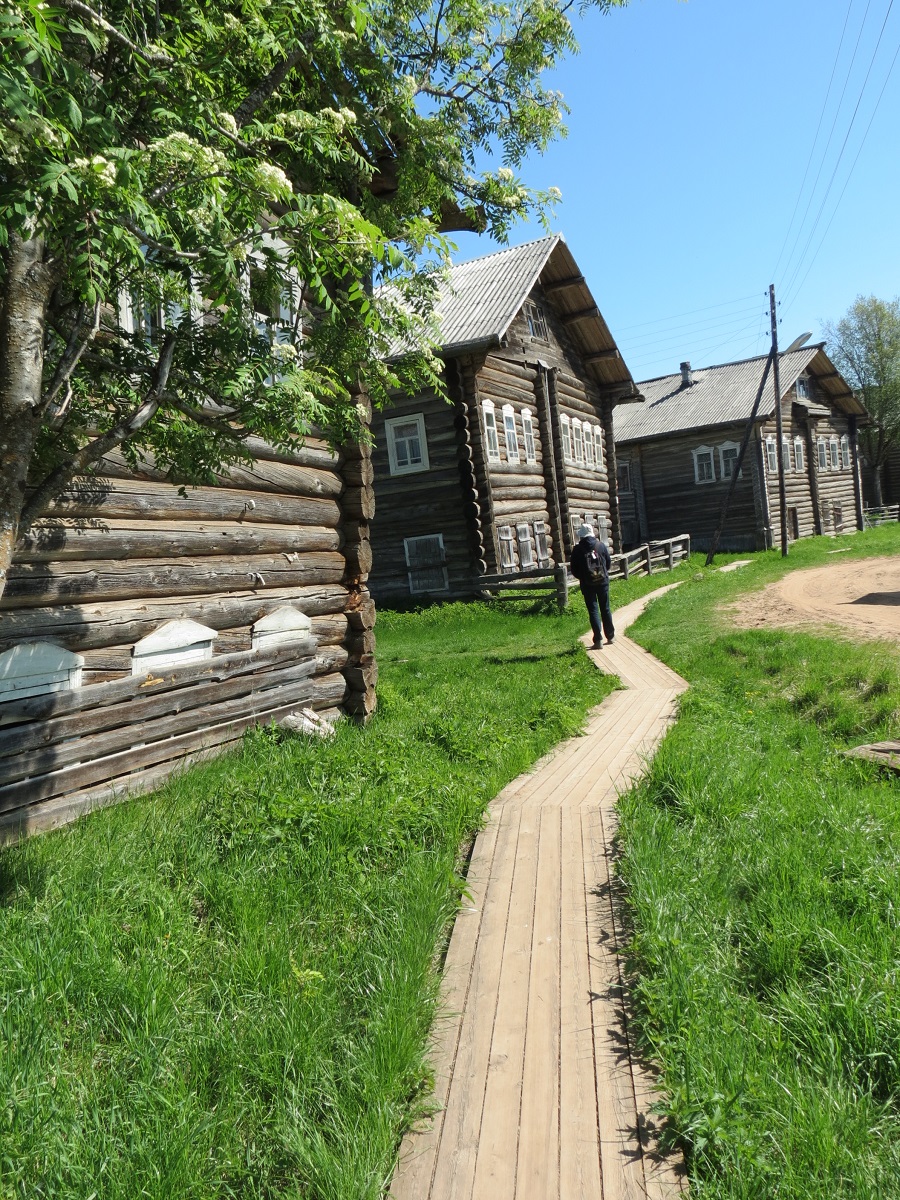
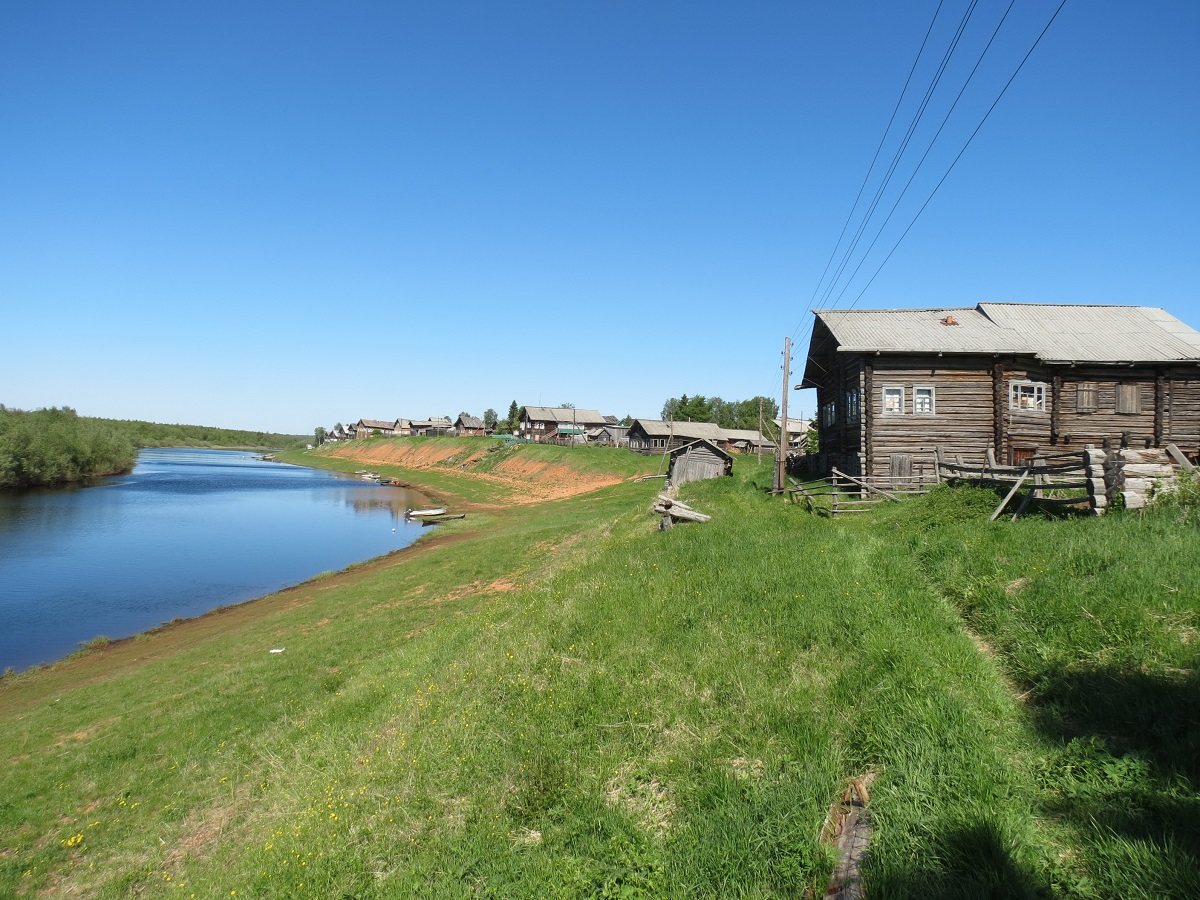
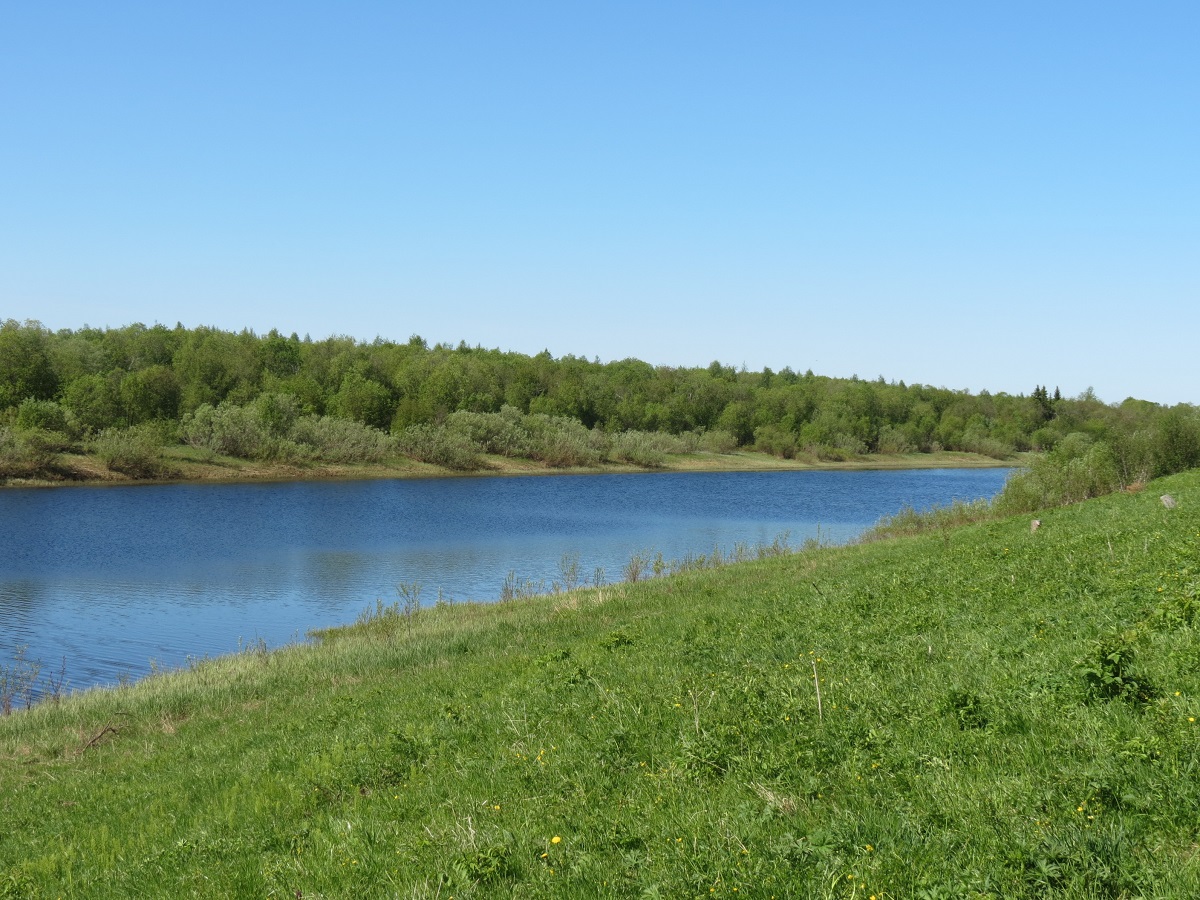
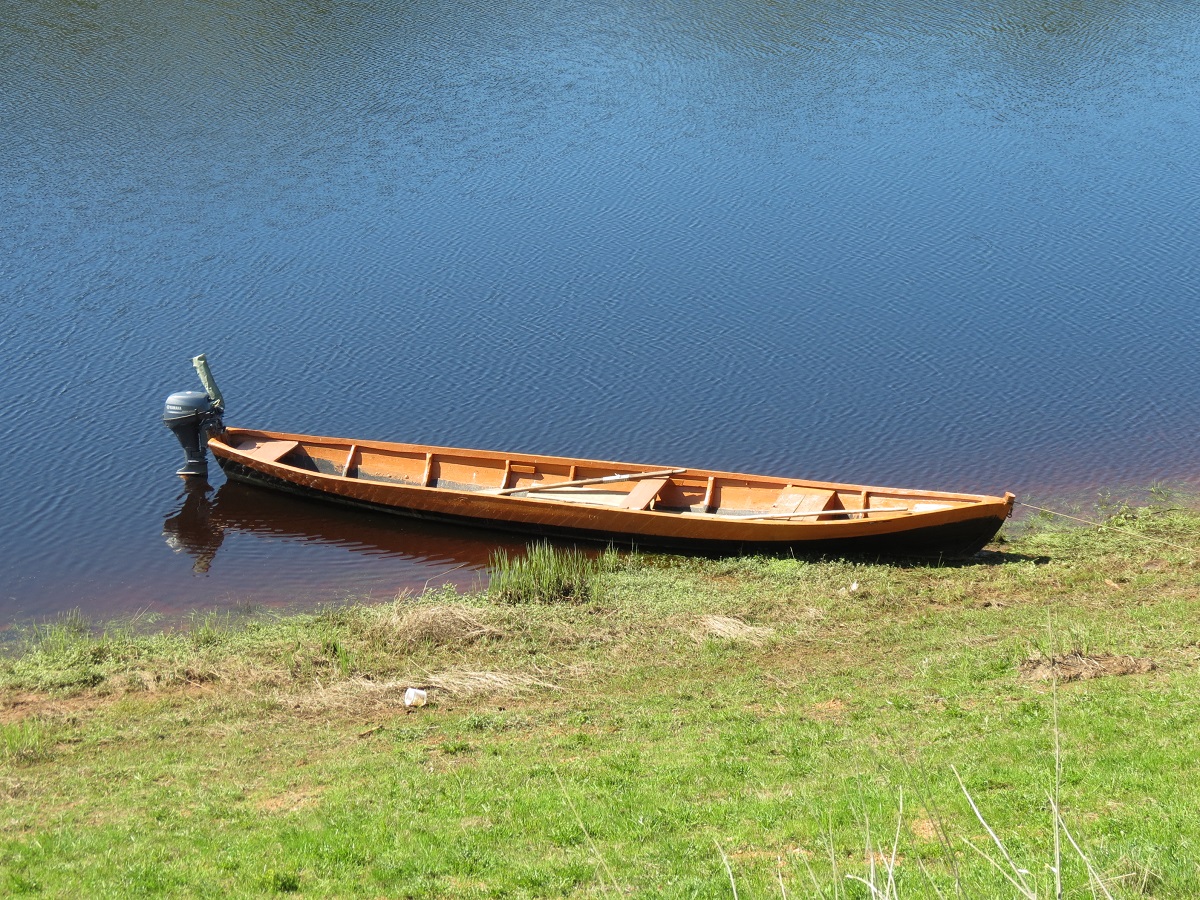
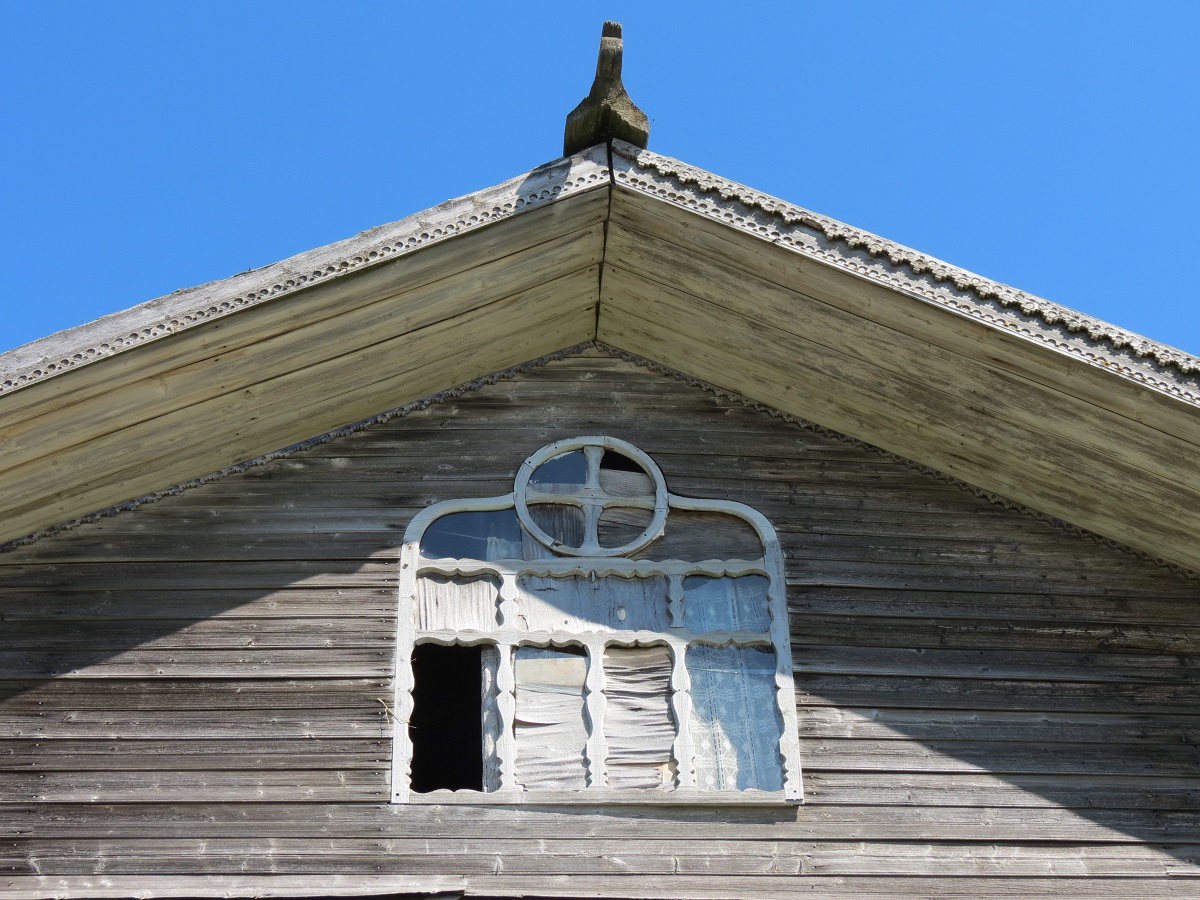
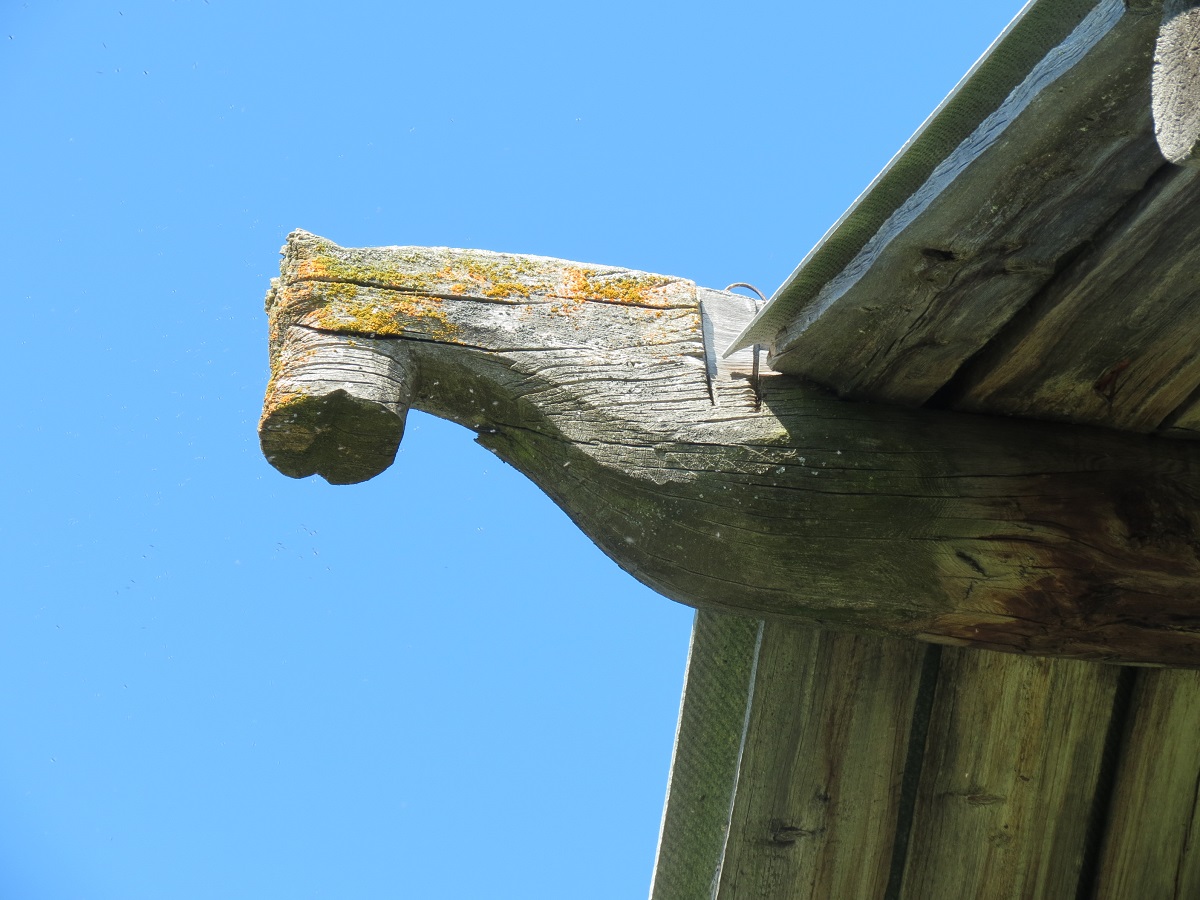
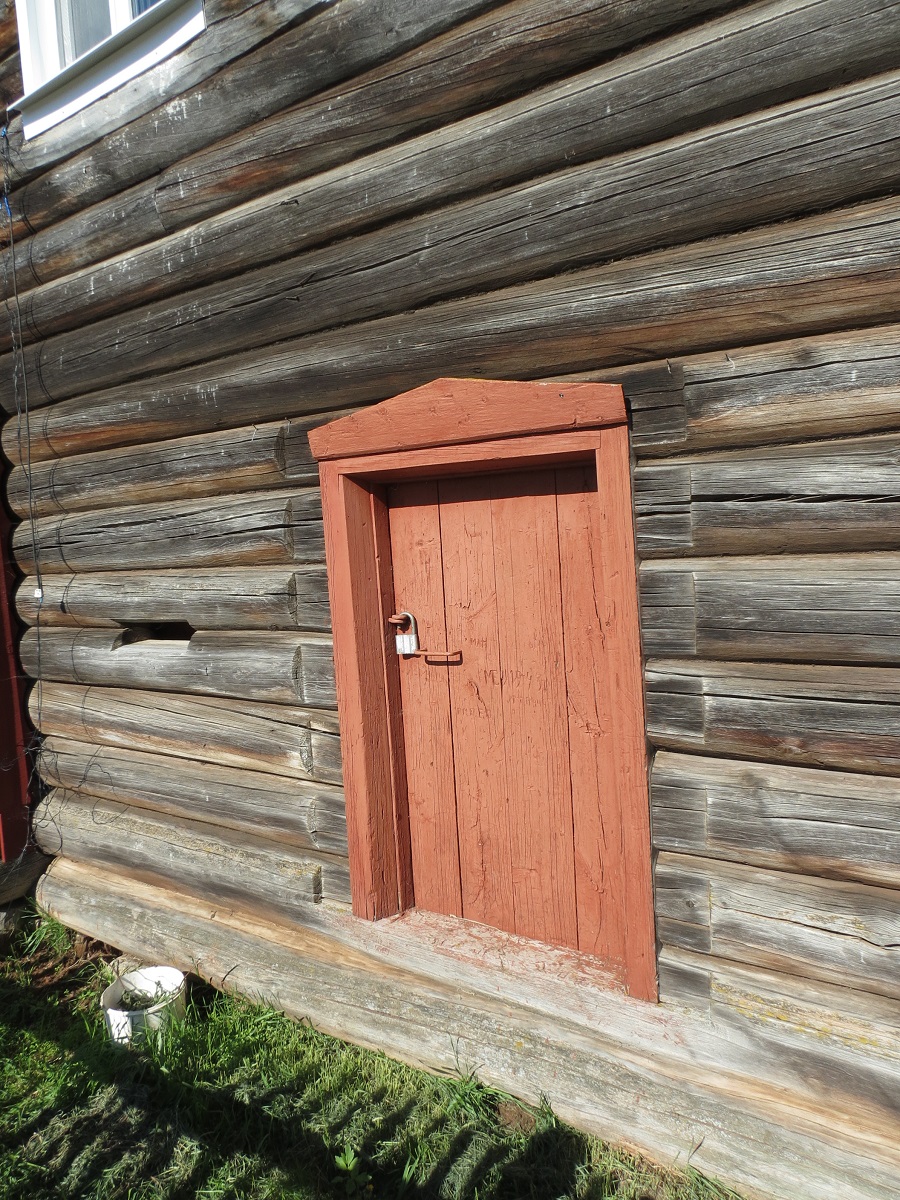
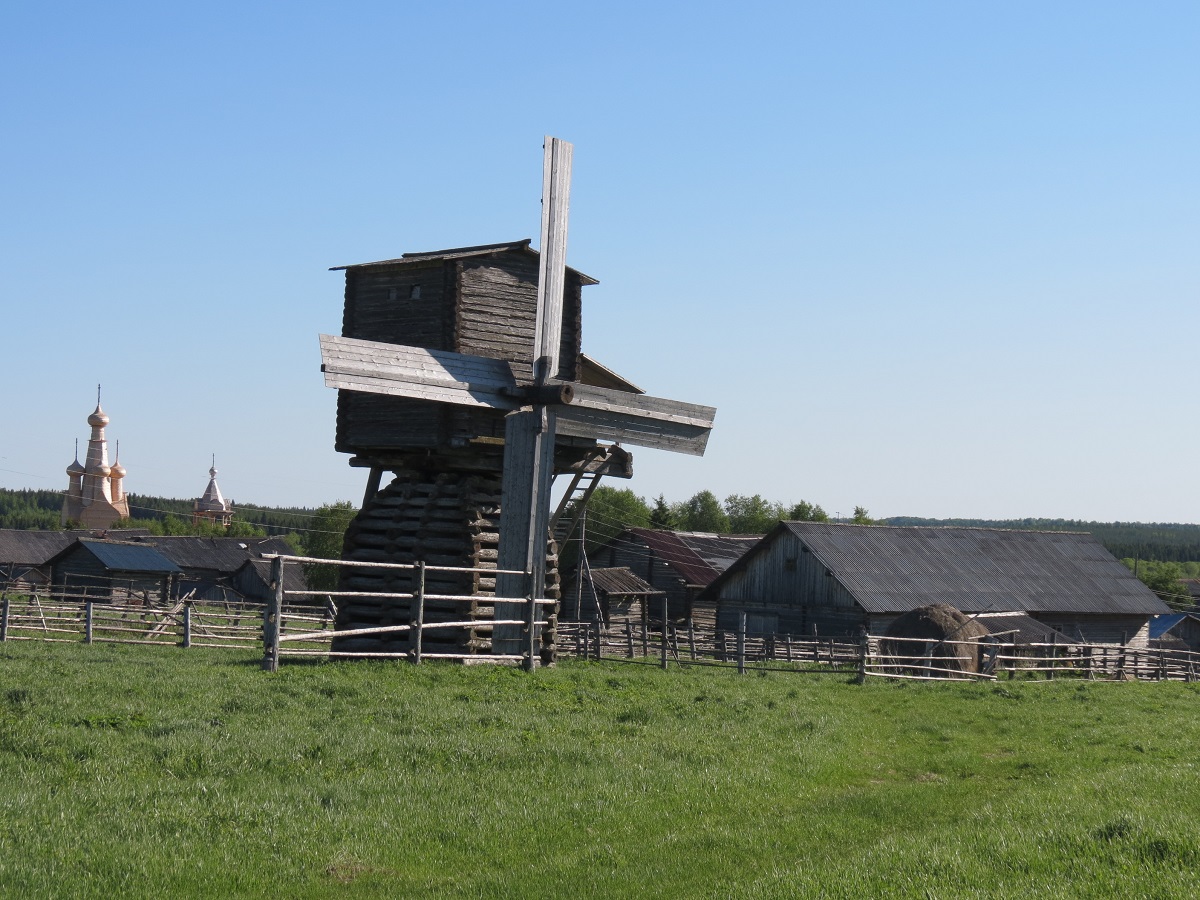
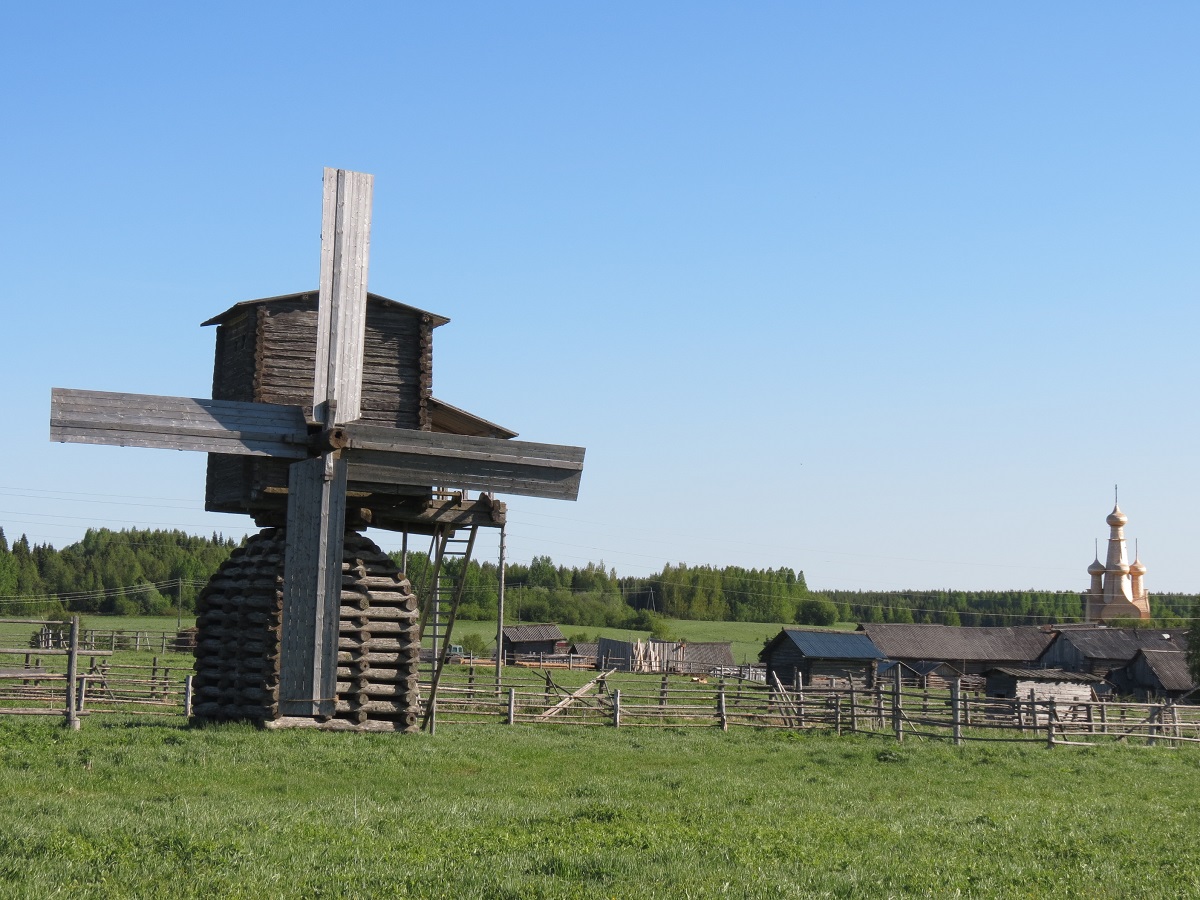
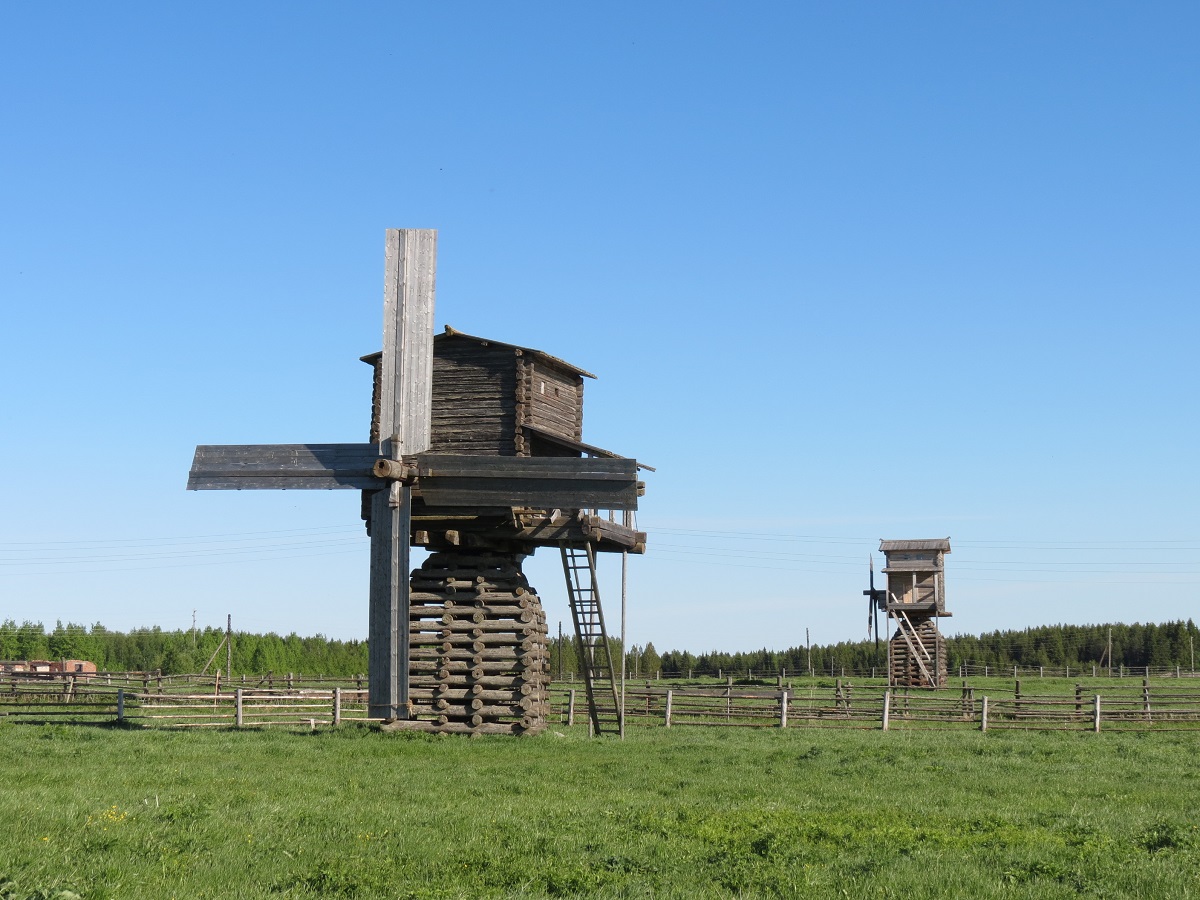
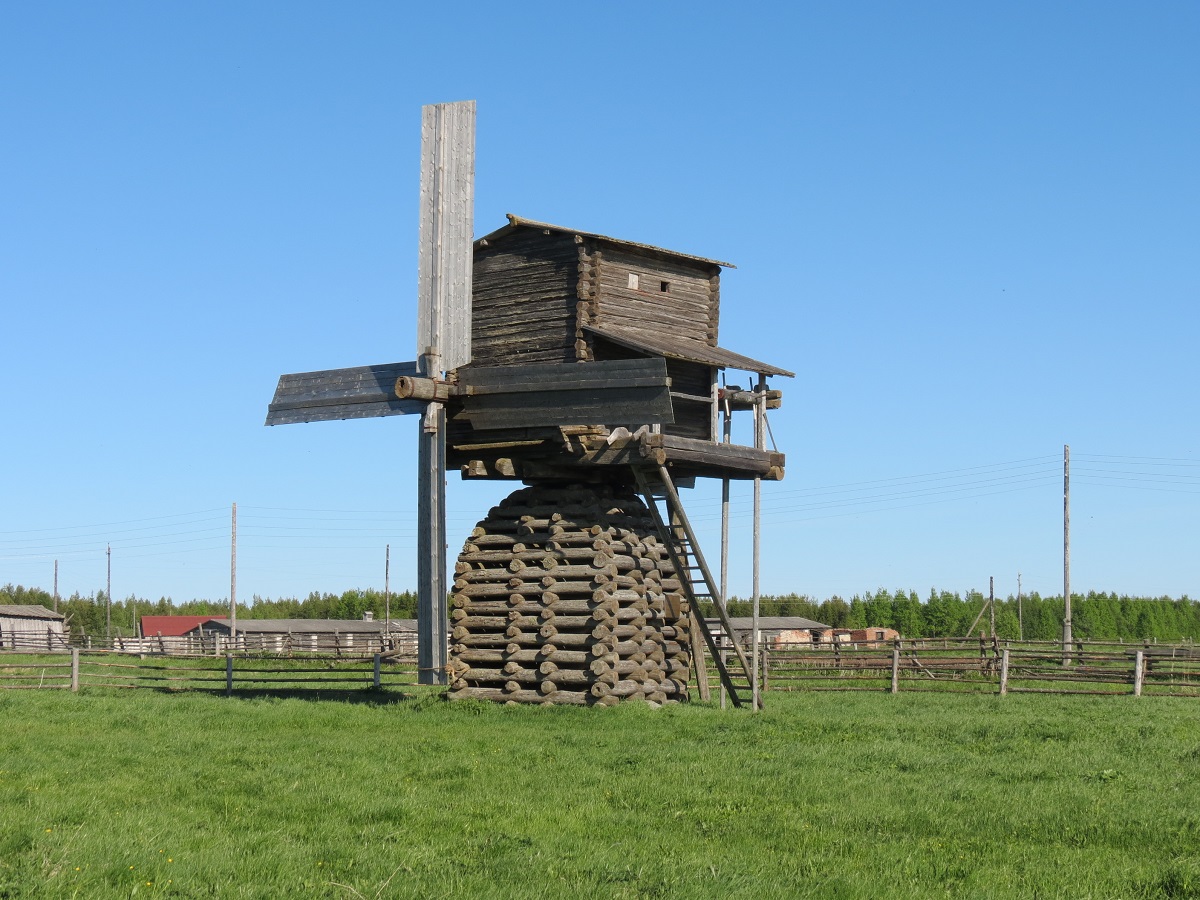
The village's dominant architectural feature is the Church of St. Hodegetria, built in 1709, a masterpiece of wooden architecture and protected by the state. This majestic tented structure recently underwent a complete restoration, using a method of rebuilding the structure. Of particular value are the two surviving post-built windmills, recognized as the northernmost in the world in their original locations. The landscape is complemented by ancient izba houses, known as "ship houses," which combine living quarters and vast farmyards under a single roof. On the roofs of these colossal structures, one can see okhlupni (wooden roofs) with carved horse heads, which, according to local belief, serve as amulets for the house. The region's natural beauty is represented by the rugged beauty of the northern taiga and the meandering Kimzha River, along whose banks monumental votive crosses are erected as a token of gratitude to higher powers for salvation from adversity.
Accommodation
Nina Nikolaevna's Guest House: A century-old log hut-museum with antique collections. It offers a traditional immersion experience: sleeping in a guest room with a Dutch stove, a composting toilet in the entryway, and the option to arrange a sauna with neighbors.
Putnika's Shelter: A more modern option in a historic building. It features a public toilet and a warm shower, and the rooms are heated by electric heaters.
https://visitkimzha.ru/to_live
Food
Kimzha's culinary traditions are closely linked to Pomor culture, where fish dishes, especially cod, occupy a central place. Guests are invited to try northern fish soup, fish pies, and unique ceremonial cookies called "teterki," which are woven from rye dough into intricate patterns. The menu also includes forest fruits, including cloudberries and lingonberries, as well as traditional soups and porridges cooked in a Russian stove. Guesthouses: The hostesses prepare homemade dishes in a Russian oven using local ingredients: northern fish soup, fish pies ("rybniki"), pickles, and taiga delicacies.
Local specialties: Worth trying are the traditional rye cookies called "tetyorki" and the Pomor "pomakukha."
Shop: The village has one grocery store with a limited selection and closes early.
Museums
The village has a Tourist Cultural and Museum Center, which combines several thematic areas. The Politov Dom Ethnographic Museum introduces visitors to the authentic interiors of a Mezen hut and peasant household items. The Museum of Pillar Mills allows visitors to explore the workings of ancient mechanisms, and the School of Crafts offers master classes in traditional weaving and pottery. https://visitkimzha.ru/tosee/kimzha/museums
Calendar of Events
The main celebration of the year is Prokopiev Day, celebrated on July 21st, when folklore groups gather in Kimzha and a fair is held. In winter, large-scale Christmas and Maslenitsa celebrations with sleigh rides are held. A special place on the calendar is held for equestrian competitions with Mezen horses, which are a living symbol and brand of the region.
https://visitkimzha.ru/calendar
How to get there
The village is located 340-350 kilometers from Arkhangelsk.
By car: The route runs through Pinega and includes three pontoon crossings over the Kimzha, Mezen, and Peza rivers. The journey takes approximately 5-8 hours, but during periods of ice drift and flooding, the crossings are removed, making the village temporarily inaccessible to ground transportation.
Public transportation: Minibuses depart daily from Arkhangelsk (carriers include AvtoNord, AvtoLine, and Poputchik), with travel time being approximately 8 hours.
Air travel: You can fly from the regional capital to Mezen on an L-410 aircraft, followed by a 45-minute taxi ride to Kimzha.
https://visitkimzha.ru/to_go
Useful Information
When visiting the northern village, it is recommended to bring ample cash, as there are no ATMs on site. Cell phone service is available in Kimzha, but internet can be unreliable. Warm and windproof clothing is recommended, and insect repellent is essential in the summer. When planning a visit during major holidays, it is recommended to book guesthouses in advance.
https://visitkimzha.ru/contacts
The first documented mentions of the village of Kimzha date back to the early sixteenth century, when people from the Pinega River basin established a permanent settlement here. Over the centuries, Kimzha developed as an important transit and craft point at the intersection of northern routes. The village became famous as a center of artistic copper casting, where artisans crafted the famous Mezen bells for mail teams and decorative harness elements. A distinctive feature of the local culture for a long time was dual faith and the unique tradition of cherished burials. Until the mid-twentieth century, the deceased were buried not in a common cemetery, but on family plots of land, in accordance with their last will and testament. During the Soviet era, Kimzha became a true treasure trove for folklorists, preserving a wealth of rare bylinas and epic tales.
Sights and Nature
The village's dominant architectural feature is the Church of St. Hodegetria, built in 1709, a masterpiece of wooden architecture and protected by the state. This majestic tented structure recently underwent a complete restoration, using a method of rebuilding the structure. Of particular value are the two surviving post-built windmills, recognized as the northernmost in the world in their original locations. The landscape is complemented by ancient izba houses, known as "ship houses," which combine living quarters and vast farmyards under a single roof. On the roofs of these colossal structures, one can see okhlupni (wooden roofs) with carved horse heads, which, according to local belief, serve as amulets for the house. The region's natural beauty is represented by the rugged beauty of the northern taiga and the meandering Kimzha River, along whose banks monumental votive crosses are erected as a token of gratitude to higher powers for salvation from adversity.
Accommodation
Nina Nikolaevna's Guest House: A century-old log hut-museum with antique collections. It offers a traditional immersion experience: sleeping in a guest room with a Dutch stove, a composting toilet in the entryway, and the option to arrange a sauna with neighbors.
Putnika's Shelter: A more modern option in a historic building. It features a public toilet and a warm shower, and the rooms are heated by electric heaters.
https://visitkimzha.ru/to_live
Food
Kimzha's culinary traditions are closely linked to Pomor culture, where fish dishes, especially cod, occupy a central place. Guests are invited to try northern fish soup, fish pies, and unique ceremonial cookies called "teterki," which are woven from rye dough into intricate patterns. The menu also includes forest fruits, including cloudberries and lingonberries, as well as traditional soups and porridges cooked in a Russian stove. Guesthouses: The hostesses prepare homemade dishes in a Russian oven using local ingredients: northern fish soup, fish pies ("rybniki"), pickles, and taiga delicacies.
Local specialties: Worth trying are the traditional rye cookies called "tetyorki" and the Pomor "pomakukha."
Shop: The village has one grocery store with a limited selection and closes early.
Museums
The village has a Tourist Cultural and Museum Center, which combines several thematic areas. The Politov Dom Ethnographic Museum introduces visitors to the authentic interiors of a Mezen hut and peasant household items. The Museum of Pillar Mills allows visitors to explore the workings of ancient mechanisms, and the School of Crafts offers master classes in traditional weaving and pottery. https://visitkimzha.ru/tosee/kimzha/museums
Calendar of Events
The main celebration of the year is Prokopiev Day, celebrated on July 21st, when folklore groups gather in Kimzha and a fair is held. In winter, large-scale Christmas and Maslenitsa celebrations with sleigh rides are held. A special place on the calendar is held for equestrian competitions with Mezen horses, which are a living symbol and brand of the region.
https://visitkimzha.ru/calendar
How to get there
The village is located 340-350 kilometers from Arkhangelsk.
By car: The route runs through Pinega and includes three pontoon crossings over the Kimzha, Mezen, and Peza rivers. The journey takes approximately 5-8 hours, but during periods of ice drift and flooding, the crossings are removed, making the village temporarily inaccessible to ground transportation.
Public transportation: Minibuses depart daily from Arkhangelsk (carriers include AvtoNord, AvtoLine, and Poputchik), with travel time being approximately 8 hours.
Air travel: You can fly from the regional capital to Mezen on an L-410 aircraft, followed by a 45-minute taxi ride to Kimzha.
https://visitkimzha.ru/to_go
Useful Information
When visiting the northern village, it is recommended to bring ample cash, as there are no ATMs on site. Cell phone service is available in Kimzha, but internet can be unreliable. Warm and windproof clothing is recommended, and insect repellent is essential in the summer. When planning a visit during major holidays, it is recommended to book guesthouses in advance.
https://visitkimzha.ru/contacts
Video

Arkhangelsk village recognized as the most beautiful in Russia

Kimzha of Mezen officially became the most beautiful village of Russia

Arkhangelsk television. Kimzha is the most beautiful village
Map of villages
Contacts
+7 (81848) 5-94-41
164756, Arkhangelsk region, Mezen district, village of Kimzha, house 40
News
The expedition to Arkhangelsk region and inauguration of Kimzha
The most beautiful village in the Arctic
in search of the most beautiful villages
Working visit to Kostroma region

the most beautiful villages of Russia welcome tourists!
About situation in Kinerma
Subscribe to the news of beautiful villages:
Enter your email

123592, Moscow, Marshal Katukov, 20
Tel .: +7 (499) 977-8801
Tel.: +7 (495) 942-7534
E-mail: info@krasaderevni.ru
Tel .: +7 (499) 977-8801
Tel.: +7 (495) 942-7534
E-mail: info@krasaderevni.ru
0 Reviews