


Village Izborsk
Pskov oblast
since May 17, 2021, 52 points
Brief history
The history of Izborsk dates back to ancient times. The first chronicle mention of the settlement dates back to 862, and is associated with the invocation of the Varangians to Rus'. According to the Tale of Bygone Years, Truvor, Rurik's younger brother, became prince here. The settlement itself was founded by the Slavic Krivichi at the turn of the 7th and 8th centuries on the high cape of Truvor's fortified settlement.
Beginning in 1233, Izborsk found itself at the center of the struggle between the Russian lands and the German crusaders of the Livonian Order. The city was captured in 1240, but liberated by the Russian army led by Alexander Nevsky after the Battle on the Ice in 1242. In 1330, the Pskov mayor Seloga, along with his residents, moved Izborsk to a new location on Zheravya Mountain, where a stone fortress was built. By the 15th century, this new fortress had withstood at least eight sieges, becoming a symbol of courage. Its enemies called Izborsk the "iron city" and the "stone shield of defense." After the Northern War, Izborsk lost its military significance, and its status gradually declined, turning it into a small village, which it remains to this day.
Sights and Nature
Izborsk is rightfully considered an open-air museum. Its 14th-century fortress is its main attraction. Built in 1330, the fortress has a unique triangular shape. Its walls, up to 4.5 meters thick, extend for a total of approximately 850 meters. The fortress remains today with six towers. Among them, the oldest is the Lukovka Tower, with a round base, located on the inner side of the fortress wall. The Vyshka Tower is the tallest and most powerful. The Talovskaya, Ryabinovka, and Kolokolnaya towers also remain. Within the fortress walls is the 14th-century St. Nicholas Cathedral, the city's main cathedral. Visitors can also see the St. Nicholas Zahab, a long corridor that served as an additional line of defense.
Truvorovo Gorodishche is a legendary site, the site of the first settlement, founded in the 7th-8th centuries, on a high cape on the shore of Lake Gorodishchenskoye. An ancient cemetery is located here, featuring a two-and-a-half-meter-tall Truvor Cross.
On the left bank of Lake Gorodishchenskoye are the Slovenskie Klyuchi, or Springs of the 12 Apostles. This is a group of more than 12 karst springs, believed to be approximately 1,000 years old. The water, whose temperature does not exceed 8 degrees Celsius, cascades and is considered healing. The springs feed Lake Gorodishchenskoye.
The natural landscape of the Izborsko-Malskaya Valley is recognized as a natural monument of the Pskov Region. The 6-kilometer "Health Trail" educational eco-trail begins at Truvor's Fortress, offering a unique landscape with picturesque lakes and forests.
Accommodation
Izborsk offers a variety of accommodation options. Guesthouses, offering an authentic village experience, are the most popular choice. Most are located in the village center, providing easy access to the fortress and museum-reserve.
Accommodations range from basic rooms (from 2,500 rubles per night) to more comfortable options. Many establishments offer breakfast and maintain a traditional Russian village style. Small hotels and estates in the village center often have their own restaurants and parking, making them convenient for tourists with cars.
Food
The local cuisine of the Pskov region is known for its hearty and traditional dishes. Izborsk's signature dish is blini, prepared according to ancient recipes. The Blinnaya Museum Café is located in an authentic peasant hut with a Russian stove and is considered one of the best cafes in the region. Besides blini, they serve a hearty village meat soup.
The Izborsk Restaurant offers Russian and European cuisine using local ingredients, including wild game. During the summer, a cozy Seto barn opens near the reserve museum's exhibition hall, where you can try the unique Seto pretzel, a traditional treat of the Seto people.
Museums
The heart of the cultural heritage is the Izborsk State Museum-Reserve, covering an area of 7,734 hectares and housing more than 200 historical monuments.
Among the museum's main exhibitions:
"Chronicle of the Ancient City of Izborsk: From the Beginnings of Russia to the Battle of Poltava," dedicated to the city's more than 500-year history.
The ethnographic exhibition "Russians and Setos" "One Land, Common History," which tells the shared history of the region's Slavic and Finno-Ugric populations.
The reserve's museum includes historic 19th-century merchant houses (Shvedov, Belyanin, Anisimov), displaying furniture, household utensils, and the works of local artisans.
A special highlight is the Seto Estate Museum in the village of Sigovo, the only museum in Russia dedicated to this small indigenous people. Here, you can see household items, clothing, and a large multi-shaft weaving loom.
Traditional crafts are actively preserved by the Izborsk Craftsmen Association. Carpentry, ceramics, and pottery are well-developed here. Weaving and the production of black Thursday salt, baked in a Russian kiln according to a historical recipe, are also popular.
Calendar of Events
Izborsk regularly hosts cultural and historical events, attracting lovers of heritage and the village way of life:
Maslenitsa (usually in March) celebrates the farewell to winter in the Izborsk Fortress with traditional pancakes and games.
The Isaborg Festival of Early Medieval Culture of Rus' and Its Neighbors (traditionally held on the first weekend of June) recreates historical scenarios and showcases the crafts of the era.
The Iron City Festival of Military Historical Reenactment of Medieval Culture (usually on August 3) is one of the most vibrant events in the Pskov Region, where historical clubs demonstrate military skill and tactics.
The Setomaa International Ethnocultural Festival. Family Gatherings" (usually August 28th) at the Seto Estate Museum, where you can learn about Seto traditions, listen to "leelo" songs, and sample national cuisine.
How to get there
Izborsk is located 30 kilometers from Pskov, making it convenient for independent travelers.
By car
From St. Petersburg: The distance is approximately 340 kilometers, and the travel time is approximately 4.5 hours. The route passes through Pskov.
From Moscow: The route is approximately 710 kilometers along the M9 highway, then turn north onto the P23. Travel time is approximately 10 hours.
By public transport
From Pskov: Izborsk is a quick bus ride (40-60 minutes). Buses run approximately every hour.
From St. Petersburg: A transfer is required in Pskov. The total travel time, including transfers, is approximately 5-6 hours. By plane: You can fly from Moscow to Pskov (approximately 1.5 hours), then take a taxi or rent a car to Izborsk (40-50 minutes).
Useful information
The best time to visit is May through September, when the weather is favorable for exploring the fortress and surrounding area. In summer, hiking along the Health Trail is ideal.
Getting around: A car is the most convenient way to travel, as it allows you to visit not only the village center but also outlying attractions, such as the Malsky Monastery or the Seto Estate Museum in Sigov.
Excursions: The museum-reserve offers professional tours, interactive programs, and quests. Advance booking is recommended, especially during the high tourist season.
Nearby attractions: From Izborsk, it's easy to take day trips to nearby historical sites: the town of Pechory (12 km), the famous Pskovo Pechersky Monastery, Pskov (30 km), or Pushkin Hills (118 km).
http://www.museum-izborsk.ru/
The history of Izborsk dates back to ancient times. The first chronicle mention of the settlement dates back to 862, and is associated with the invocation of the Varangians to Rus'. According to the Tale of Bygone Years, Truvor, Rurik's younger brother, became prince here. The settlement itself was founded by the Slavic Krivichi at the turn of the 7th and 8th centuries on the high cape of Truvor's fortified settlement.
Beginning in 1233, Izborsk found itself at the center of the struggle between the Russian lands and the German crusaders of the Livonian Order. The city was captured in 1240, but liberated by the Russian army led by Alexander Nevsky after the Battle on the Ice in 1242. In 1330, the Pskov mayor Seloga, along with his residents, moved Izborsk to a new location on Zheravya Mountain, where a stone fortress was built. By the 15th century, this new fortress had withstood at least eight sieges, becoming a symbol of courage. Its enemies called Izborsk the "iron city" and the "stone shield of defense." After the Northern War, Izborsk lost its military significance, and its status gradually declined, turning it into a small village, which it remains to this day.
Sights and Nature
Izborsk is rightfully considered an open-air museum. Its 14th-century fortress is its main attraction. Built in 1330, the fortress has a unique triangular shape. Its walls, up to 4.5 meters thick, extend for a total of approximately 850 meters. The fortress remains today with six towers. Among them, the oldest is the Lukovka Tower, with a round base, located on the inner side of the fortress wall. The Vyshka Tower is the tallest and most powerful. The Talovskaya, Ryabinovka, and Kolokolnaya towers also remain. Within the fortress walls is the 14th-century St. Nicholas Cathedral, the city's main cathedral. Visitors can also see the St. Nicholas Zahab, a long corridor that served as an additional line of defense.
Truvorovo Gorodishche is a legendary site, the site of the first settlement, founded in the 7th-8th centuries, on a high cape on the shore of Lake Gorodishchenskoye. An ancient cemetery is located here, featuring a two-and-a-half-meter-tall Truvor Cross.
On the left bank of Lake Gorodishchenskoye are the Slovenskie Klyuchi, or Springs of the 12 Apostles. This is a group of more than 12 karst springs, believed to be approximately 1,000 years old. The water, whose temperature does not exceed 8 degrees Celsius, cascades and is considered healing. The springs feed Lake Gorodishchenskoye.
The natural landscape of the Izborsko-Malskaya Valley is recognized as a natural monument of the Pskov Region. The 6-kilometer "Health Trail" educational eco-trail begins at Truvor's Fortress, offering a unique landscape with picturesque lakes and forests.
Accommodation
Izborsk offers a variety of accommodation options. Guesthouses, offering an authentic village experience, are the most popular choice. Most are located in the village center, providing easy access to the fortress and museum-reserve.
Accommodations range from basic rooms (from 2,500 rubles per night) to more comfortable options. Many establishments offer breakfast and maintain a traditional Russian village style. Small hotels and estates in the village center often have their own restaurants and parking, making them convenient for tourists with cars.
Food
The local cuisine of the Pskov region is known for its hearty and traditional dishes. Izborsk's signature dish is blini, prepared according to ancient recipes. The Blinnaya Museum Café is located in an authentic peasant hut with a Russian stove and is considered one of the best cafes in the region. Besides blini, they serve a hearty village meat soup.
The Izborsk Restaurant offers Russian and European cuisine using local ingredients, including wild game. During the summer, a cozy Seto barn opens near the reserve museum's exhibition hall, where you can try the unique Seto pretzel, a traditional treat of the Seto people.
Museums
The heart of the cultural heritage is the Izborsk State Museum-Reserve, covering an area of 7,734 hectares and housing more than 200 historical monuments.
Among the museum's main exhibitions:
"Chronicle of the Ancient City of Izborsk: From the Beginnings of Russia to the Battle of Poltava," dedicated to the city's more than 500-year history.
The ethnographic exhibition "Russians and Setos" "One Land, Common History," which tells the shared history of the region's Slavic and Finno-Ugric populations.
The reserve's museum includes historic 19th-century merchant houses (Shvedov, Belyanin, Anisimov), displaying furniture, household utensils, and the works of local artisans.
A special highlight is the Seto Estate Museum in the village of Sigovo, the only museum in Russia dedicated to this small indigenous people. Here, you can see household items, clothing, and a large multi-shaft weaving loom.
Traditional crafts are actively preserved by the Izborsk Craftsmen Association. Carpentry, ceramics, and pottery are well-developed here. Weaving and the production of black Thursday salt, baked in a Russian kiln according to a historical recipe, are also popular.
Calendar of Events
Izborsk regularly hosts cultural and historical events, attracting lovers of heritage and the village way of life:
Maslenitsa (usually in March) celebrates the farewell to winter in the Izborsk Fortress with traditional pancakes and games.
The Isaborg Festival of Early Medieval Culture of Rus' and Its Neighbors (traditionally held on the first weekend of June) recreates historical scenarios and showcases the crafts of the era.
The Iron City Festival of Military Historical Reenactment of Medieval Culture (usually on August 3) is one of the most vibrant events in the Pskov Region, where historical clubs demonstrate military skill and tactics.
The Setomaa International Ethnocultural Festival. Family Gatherings" (usually August 28th) at the Seto Estate Museum, where you can learn about Seto traditions, listen to "leelo" songs, and sample national cuisine.
How to get there
Izborsk is located 30 kilometers from Pskov, making it convenient for independent travelers.
By car
From St. Petersburg: The distance is approximately 340 kilometers, and the travel time is approximately 4.5 hours. The route passes through Pskov.
From Moscow: The route is approximately 710 kilometers along the M9 highway, then turn north onto the P23. Travel time is approximately 10 hours.
By public transport
From Pskov: Izborsk is a quick bus ride (40-60 minutes). Buses run approximately every hour.
From St. Petersburg: A transfer is required in Pskov. The total travel time, including transfers, is approximately 5-6 hours. By plane: You can fly from Moscow to Pskov (approximately 1.5 hours), then take a taxi or rent a car to Izborsk (40-50 minutes).
Useful information
The best time to visit is May through September, when the weather is favorable for exploring the fortress and surrounding area. In summer, hiking along the Health Trail is ideal.
Getting around: A car is the most convenient way to travel, as it allows you to visit not only the village center but also outlying attractions, such as the Malsky Monastery or the Seto Estate Museum in Sigov.
Excursions: The museum-reserve offers professional tours, interactive programs, and quests. Advance booking is recommended, especially during the high tourist season.
Nearby attractions: From Izborsk, it's easy to take day trips to nearby historical sites: the town of Pechory (12 km), the famous Pskovo Pechersky Monastery, Pskov (30 km), or Pushkin Hills (118 km).
http://www.museum-izborsk.ru/
Map of villages
News
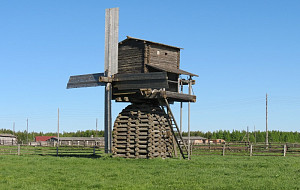
The expedition to Arkhangelsk region and inauguration of Kimzha
The most beautiful village in the Arctic
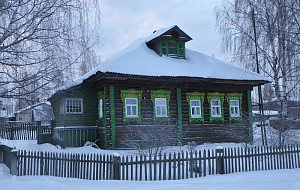
in search of the most beautiful villages
Working visit to Kostroma region

the most beautiful villages of Russia welcome tourists!
About situation in Kinerma
Subscribe to the news of beautiful villages:
Enter your email

123592, Moscow, Marshal Katukov, 20
Tel .: +7 (499) 977-8801
Tel.: +7 (495) 942-7534
E-mail: info@krasaderevni.ru
Tel .: +7 (499) 977-8801
Tel.: +7 (495) 942-7534
E-mail: info@krasaderevni.ru
0 Reviews